
Marketing luxury goods such as watches and jewelry presents unique challenges, both online and offline. A watch at this price is bought for the maker's history and the finish on the movement. Telling time is the least of it. For instance, consider the success of high-end retailer Watches of Switzerland, which has mastered the art of marketing luxury timepieces through both online and offline channels. This complexity demands a nuanced approach to marketing that goes beyond standard strategies.
One of the primary challenges in luxury marketing is the distinction between pull brands and push brands. Pull brands, like Rolex or Patek Philippe, have significant search volume and brand recognition. The challenge here lies in capturing this demand through effective search engine optimization and strategic digital advertising.
On the other hand, push brands require a different approach. These are brands that may not have the same level of market presence or recognition. With these you have to say plainly what they do that a known brand does not. This involves crafting compelling narratives that highlight the brand's heritage, craftsmanship, and exclusivity, making the customer understand why they should invest in these products.
Another issue jewelry and watch retailers face is the direct-to-consumer model that brands like Breitling now run themselves. With these brands selling directly to consumers, retailers must find ways to convince customers of the benefits of purchasing through them instead. Watches of Switzerland, for example, emphasizes personalized customer service, exclusive offers, and unique in-store experiences to differentiate itself from the brands' direct sales channels.
Section 1: The Importance of Brand Storytelling
Storytelling carries the sale here. The customer is buying the maker's history and the reason the piece exists. Retailers must master the art of brand storytelling to create an emotional connection with their customers.
One exemplary retailer, Bucherer (formerly Tourneau), has perfected this art. By weaving stories about who made the watch, how it was made, and how few exist, Bucherer has set itself apart. For instance, they often share stories about the history of a particular watch brand, the process of building each timepiece, and the unique features that distinguish one model from another. These stories resonate with customers, making them feel a part of the brand's legacy.
Strategies for Effective Brand Storytelling
Heritage and Craftsmanship: Share the brand's origin story, including how long each product takes to make and who makes it. Bucherer's features videos and articles on the history and craftsmanship behind iconic watch brands.
Creating Emotional Connections: Use testimonials and personal stories to create a bond between the brand and the customer. A retailer might share customer stories about special moments involving their luxury purchases, such as a watch gifted for an anniversary.
Every Channel, Same Story: Keep the brand story the same everywhere it appears, from online platforms to in-store experiences. Bucherer integrates storytelling across its website, social media, and in-store displays.
Engaging Content Formats: Change the format so the storytelling does not go flat. Use videos, blog posts, and interactive content like virtual tours of the manufacturing process.
Collaborating with Influencers: Use influencers to amplify the brand's story, reaching wider and more diverse audiences. Partner with watch enthusiasts and experts who can share their own stories and experiences with the products.
Section 2: Leveraging Visual Content for Maximum Impact
Video is the strongest channel for luxury brands right now. Platforms like Instagram, Facebook, and TikTok offer unprecedented opportunities to reach and engage with potential customers. Retailers must master the art of storytelling, often surpassing the brands they represent in conveying compelling narratives.
Video shows the detail and the finish in a way a still photo cannot. It catches the glint of a diamond, the sweep of a watch movement, the way a piece sits on a wrist. That is what carries the price.
Effective Strategies for Leveraging Visual Content
High-Quality Production: Pay for a real videographer. Bucherer's behind-the-scenes series on the watchmaking process captures the detail of watch assembly.
Storytelling Through Visuals: Tell people who made the product, how it was made, and how few exist. A luxury jewelry retailer might create a mini-documentary series about a gemstone from mine to market.
Educational Content: Create videos that compare different brands and products, so a buyer can tell them apart. Expert-led video reviews can help customers understand the unique features and benefits of each product.
Platform Optimization: Tailor video content to suit the specific formats and audiences of each distribution platform. Use short, visually appealing videos for Instagram Stories and TikTok, and longer, more detailed content for YouTube and Facebook.
Section 3: Creating Exclusive Experiences Online and Offline
Creating non-scalable, extraordinary experiences should be a primary focus for every retailer in the luxury market. Unlike mass-market goods, luxury items require a more personalized and intimate approach to selling. As retailers, the goal is to outshine the brands in delivering a superior customer experience. This is the essence of effective clienteling: providing a hyper-personalized customer journey that leaves a lasting impression.
Offline Experiences
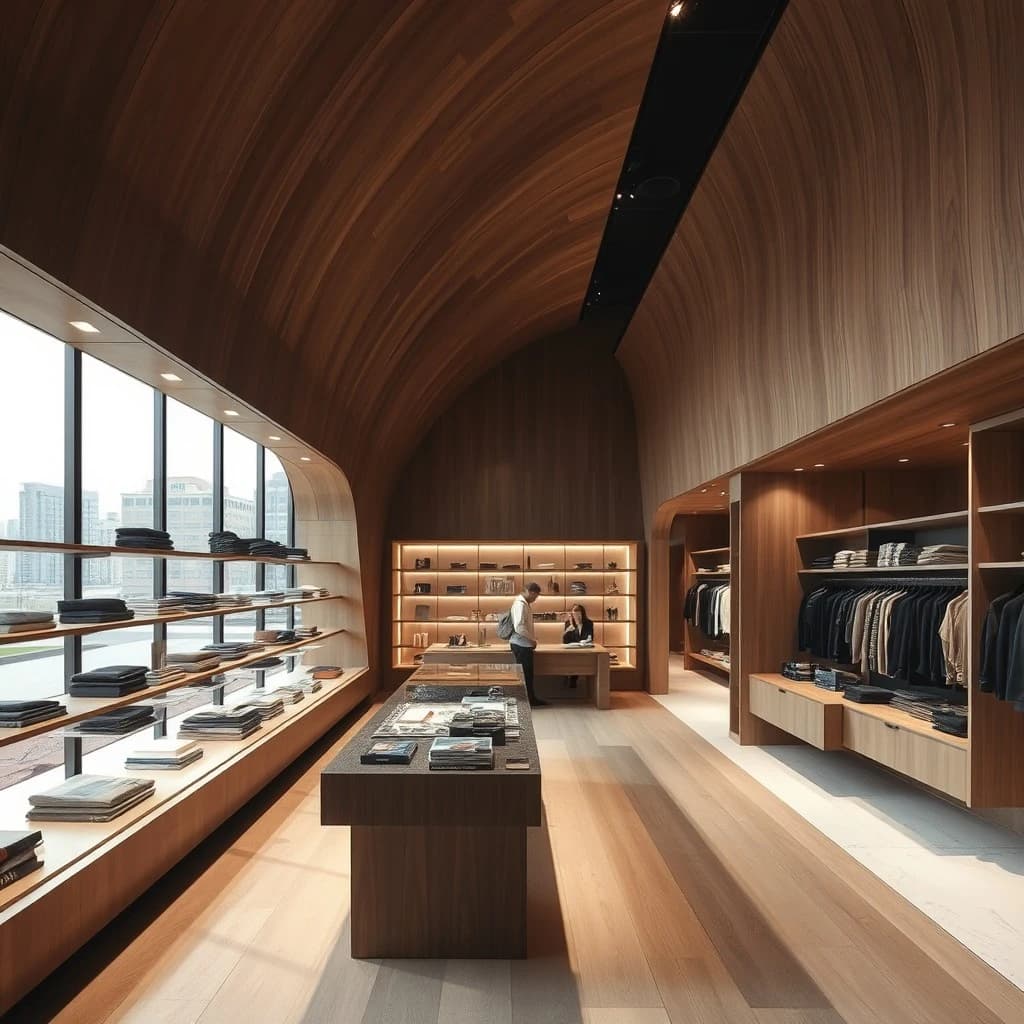
An exceptional offline experience begins the moment a client walks into the store. Knowing their preferences, past interests, budget, and even their favorite drink changes the visit. For instance, Bucherer offers personalized appointments where clients can view selected timepieces based on their previous interests, and enjoy their favorite beverage during the consultation.
- Detailed Customer Profiles: Keep one profile per customer: preferences, purchase history, personal details.
- Personal Touches: Offer personalized touches, such as greeting the client by name, remembering their favorite products, and providing personalized shopping sessions.
- Exclusive Events: Host exclusive in-store events, such as private viewings or brand-specific showcases, to make clients feel valued and special.
Online Experiences
The same personalization has to work online. If your site does not know what someone looked at in the store, you start the conversation over every time.
- User-Friendly Website: Make the site easy to move around, good to look at, and complete on every product page.
- Personalized Online Interactions: Use data analytics and CRM tools to personalize the online shopping experience with tailored product recommendations.
- Integrated In-Store and Online Experiences: Create a cohesive experience by integrating online and offline data. Offer services like online reservations for in-store pickups.
Section 4: Using Data and CRM for Personalized Marketing
Data and Customer Relationship Management (CRM) systems are at the heart of gaining a competitive edge in the luxury market. The more detailed and accurate information you have about your customers' preferences and behaviors, the better positioned you are to provide a personalized and effective sales experience.
Importance of Data in Luxury Marketing
Data is the foundation of personalized marketing. By analyzing customer data, retailers can see what people actually buy, what they look at first, and what they come back to. This allows for the creation of targeted marketing campaigns that resonate with individual customers.
Detailed Customer Profiles: Build one profile per customer: purchase history, product preferences, browsing behavior, personal details.
Predictive Analytics: Use data analytics to predict future buying behaviors and trends. This helps in stocking the right products and creating timely marketing campaigns.
Tailored Marketing Campaigns: Develop personalized marketing messages and offers based on customer data. This increases the relevance and effectiveness of your marketing efforts.
What a CRM Actually Does for Service
A CRM that works keeps every customer record in one place your sales team can reach. That is what lets an associate pick up a conversation someone started six months ago.
- Efficient Data Storage and Retrieval: Sales reps need to be able to quickly store and retrieve customer information.
- Better Conversations: With access to detailed customer profiles, sales reps can engage in meaningful interactions.
- Consistent Follow-Ups: CRM systems help in tracking customer interactions and follow-ups so nobody gets dropped.
Conclusion
Adding value is the whole job. Your buyers already get good service from the brands, so the bar you are clearing is the brand's own boutique. To outperform the brands they represent, retailers must effectively communicate their unique value propositions to both current and potential customers.
Key Takeaways
Brand Storytelling: Craft compelling narratives that resonate with the heritage, craftsmanship, and exclusivity of the luxury products. Your storytelling should be authentic and deeply connected to the brand's essence.
Visual Content: Use video to show the detail and the finish. Platforms like Instagram, Facebook, and TikTok offer opportunities to reach a wide audience.
Exclusive Experiences: Create non-scalable, personalized experiences both online and offline. Knowing your customers' preferences allows you to tailor their experience.
Data and CRM: Use your data and CRM to hold what you know about each customer and act on it. Used properly it tells your team who to call and why.
Luxury retailers must consistently deliver exceptional customer service, surpassing the high standards set by the brands themselves. By doing so, you earn the second purchase, which is where the margin is.
Ready to build a digital presence that matches the quality of what you sell? Talk to our team.

About the author
Hagop Imasdounian
Hagop Imasdounian is the founder of H&CO. Raised around his family’s jewelry businesses, he brings more than 15 years of digital marketing experience to helping jewelry and watch brands improve their websites, reach buyers and connect marketing with sales.