
Uncategorized

The Gen Z Luxury Buyer: What Independent Retailers Need to Know

Gen Z already spends on luxury jewelry and watches. Learn how independent retailers can capture this market through social, content, and in-store strategy.

H

Hagop

Founder & Chief Strategist

April 22, 2026
14 min read
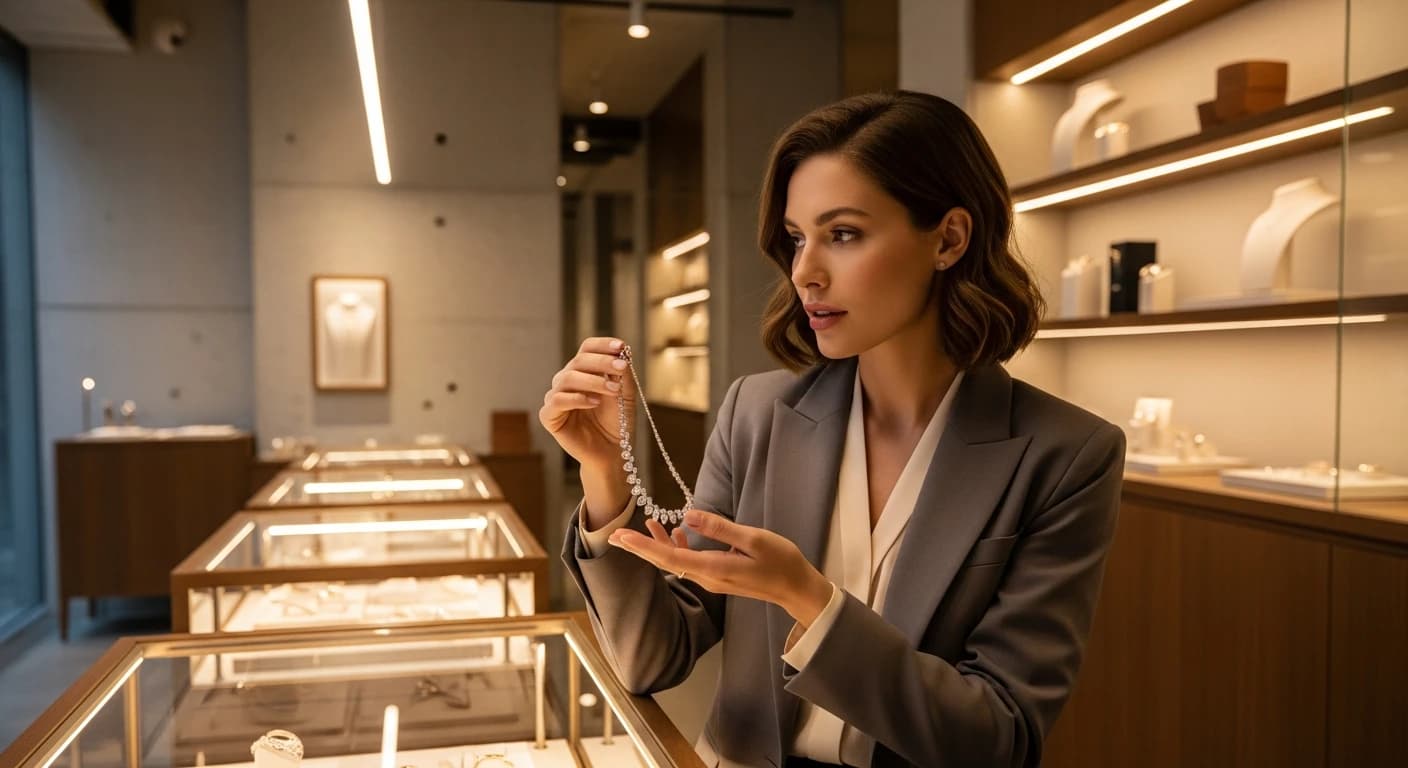
Young professional examining luxury jewelry in a modern minimalist boutique

Key Takeaways

  • Gen Z will drive a third of all luxury purchases by 2030, and they are already buying jewelry at higher rates than Boomers.
  • They discover on TikTok and Instagram, research through influencers and reviews, then walk into your store. Your digital presence is the front door.
  • Brand loyalty is earned transaction by transaction. Over half will leave for a competitor offering better quality or price.
  • Sustainability and ethical sourcing are not nice-to-haves. 62% of Gen Z will pay more for brands that prove it.
  • Self-expression beats status. 48% of Gen Z luxury buyers care more about what a piece says about them than the name on the box.
  • You do not need an enterprise budget. Micro-influencers, short-form video, and local SEO work better at this scale than national campaigns.

Gen Z Is Already Your Customer (You Just Don't Know It Yet)

Here's a number that should stop you mid-sip: 58% of Gen Z bought jewelry three or more times in 2023 (NuOrder/Joor, 2024). Compare that to 41% of Boomers. The generation most retailers haven't bothered marketing to is already outpacing the generation they've built their entire business around.

Gen Z, born between 1997 and 2012, spans roughly ages 13 to 29 in 2026. The older half has real jobs, real disposable income, and a real appetite for luxury. Their spending on luxury goods is growing 3x faster than any other generation (Bain & Company, 2024). Bain projects they'll account for 25-30% of all global luxury purchases by 2030, up from single digits before the pandemic.

And they're not waiting for an occasion to buy. Almost half of Gen Z splurge monthly on self-purchases, compared to 34% of Gen X (NuOrder, 2024). They're not buying an engagement ring because they proposed last weekend. They're buying a gold chain on a Tuesday because they wanted it.

This is a fundamental shift in who walks through your door and why. The traditional luxury customer bought for milestones: engagements, anniversaries, retirements. Gen Z buys for identity. For mood. For the version of themselves they're building right now.

If your marketing still targets the 55-year-old man shopping for his wife's birthday, you're speaking to a shrinking audience. The math is simple. Gen Z is already buying luxury at rates that would surprise most independent retailers. The question is whether any of that money is landing in your register.


How Gen Z Discovers Luxury Retailers

Social Media Is the New Storefront

More than 60% of Gen Z discover new brands through social platforms (multiple sources, 2024-2025). Not Google. Not foot traffic. Not the local newspaper ad you've been running for 12 years.

The platform breakdown for watch discovery tells the story clearly: Instagram leads at 47%, TikTok sits at 46%, and YouTube comes in at 29% (Watchfinder & Co, 2025). Jewelry follows a similar pattern. If your store doesn't have a presence on at least two of these three platforms, you're functionally invisible to an entire generation of buyers.

This isn't about vanity metrics or follower counts. Gen Z uses these platforms the way Boomers used the Yellow Pages. They search "jewelry store [city name]" on TikTok. They find your Instagram through a tagged post from a friend. They watch a 30-second Reel of a ring catching light and screenshot it to show your sales associate next Saturday.

Your social feed is the storefront they walk past before deciding whether to come inside. If it looks dead, outdated, or like a product catalog from 2018, they keep scrolling. And unlike a physical storefront, they make that judgment in under two seconds.

The generational contrast is worth understanding. Boomers still discover jewelers through word of mouth, print ads, and Google Search. Millennials split between Instagram, Google, and email newsletters. Gen Z lives on short-form video and social feeds. If your marketing budget is still weighted toward channels that work for 55-year-olds, you're spending money to reach a shrinking audience while ignoring the one that's growing fastest.

The Role of Influencers (and Why You Need Local Ones)

57% of Gen Z say influencer reviews directly influence their purchase decisions (NuOrder, 2024). During the 2025 holiday season, 74% turned to influencers and social media for shopping inspiration (Deloitte, 2025).

But here's what most articles about Gen Z luxury buyers get wrong: they assume you need a celebrity partnership or a creator with 500K followers. You don't. What works at the independent retail level is a network of 15-20 local micro-influencers with 1,000 to 10,000 followers in your metro area. Their audiences are smaller but far more engaged, and those audiences actually live near your store. We break down exactly how to build this network in our guide to influencer marketing for luxury retailers.

A lifestyle blogger in your city wearing your pieces reaches the exact people who might walk in next week. A macro-influencer in Los Angeles does not, unless you're in Los Angeles.

The economics work in your favor here. A local creator with 5,000 engaged followers in your metro area will often create content in exchange for product. That's a $300-$500 investment for authentic, trust-carrying content placed in front of people who can actually drive to your store. Compare that to a sponsored post from a national influencer that costs $5,000 and reaches an audience scattered across 50 states.

Search Is Changing: TikTok as a Discovery Engine

Gen Z doesn't just scroll TikTok for entertainment. They search it. #JewelryTrends has 2.1 billion views on TikTok (2025). #LayeredJewelry has 1.5 billion. These aren't passive viewers. They're people actively looking for their next purchase.

49% of Gen Z discover new products on social media, with 44% citing YouTube specifically (NIQ, 2024). And 43% used AI tools to help them shop during the 2025 holiday season (Deloitte, 2025). The discovery path is fragmenting. They might start on TikTok, cross-reference on YouTube, check your Instagram, read Google reviews, and then drive to your store. Your job is to show up at more than one of those touchpoints. Our social media strategy for luxury retailers covers how to build that multi-platform presence without burning your entire marketing budget.


What Drives a Gen Z Luxury Purchase

Self-Expression Over Status

48% of Gen Z luxury buyers prioritize self-expression over brand recognition (multiple sources, 2024). Read that again. Nearly half of this generation cares more about what a piece says about them than the logo on the clasp.

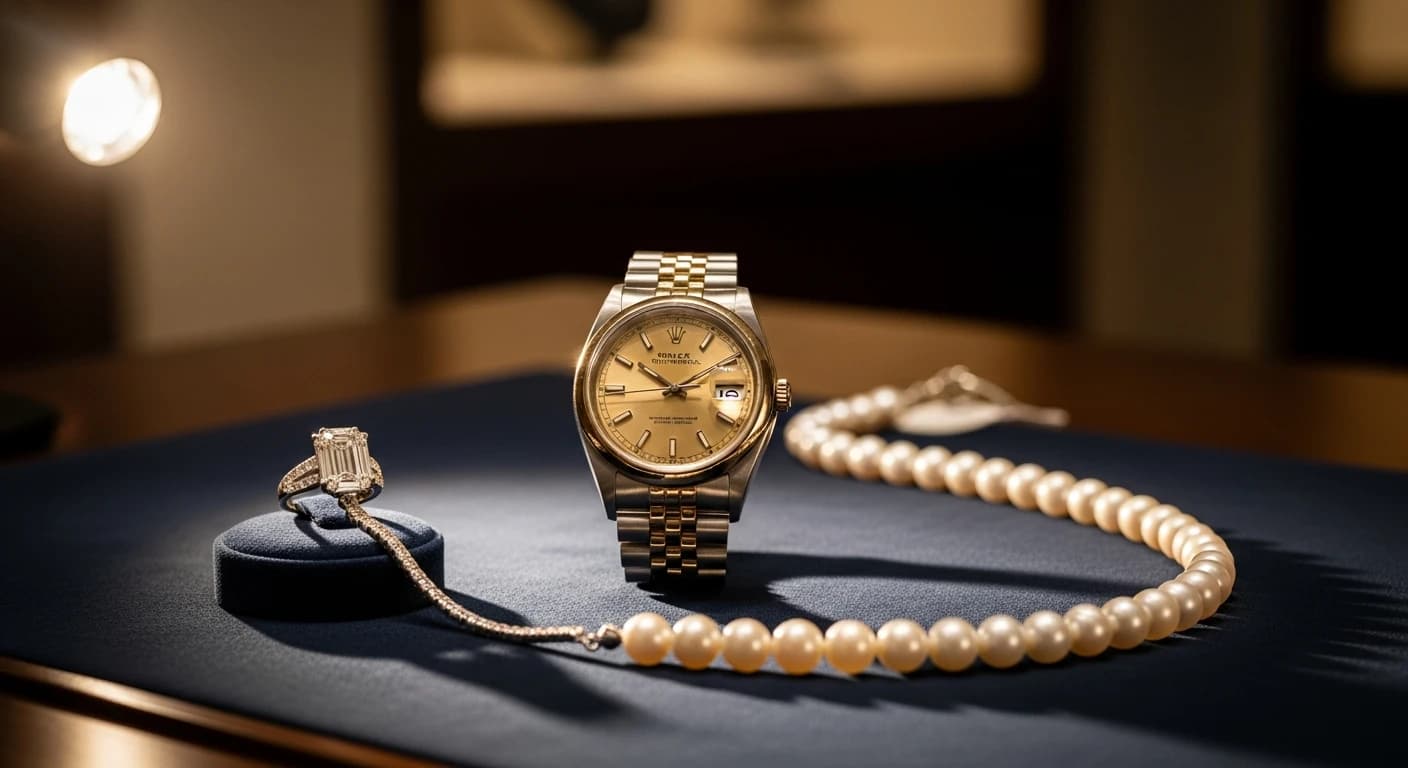
This flips the traditional luxury marketing playbook on its head. For decades, independent retailers leaned on brand names to do the selling. Put Rolex in the window, customers walk in. That still works for older demographics. But Gen Z isn't buying a Rolex to signal wealth. They're buying a vintage Cartier Tank because it matches their aesthetic, or a handmade signet ring from a local jeweler because nobody else has one.

42% prefer brands that don't classify items by gender (McKinsey, 2023). Your men's and women's sections, the separate display cases, the gendered marketing copy, all of it reads as outdated to a buyer who thinks of jewelry as personal expression, not a gendered category.

This is actually good news for independent retailers who carry unique, harder-to-find pieces. You have something the big chains don't: curation. A personal point of view. The ability to stock pieces that feel individual rather than mass-produced.

Sustainability That's Provable, Not Performative

62% of Gen Z prefer to purchase from sustainable brands, and they're willing to pay a premium for it (multiple sources, 2024). 73% will pay more for sustainable products specifically (First Insight, 2024).

But here's the catch. 78% of Gen Z believe brands are "all talk and no action" on sustainability (Jasper Colin, 2024). They've grown up watching companies greenwash everything from fast fashion to bottled water. They're skeptical by default, and they will check your claims.

For an independent jeweler, this means you can't just put "ethically sourced" on your website and call it done. You need to show the supply chain. Name the mines or labs your stones come from. Display certifications. If you carry lab-grown diamonds, 72% of Gen Z already prefer them (CaratX, 2024). That's not a secondary product line. That's the primary one for this buyer.

Personalization as a Baseline Expectation

71% of consumers expect personalized interactions, and 76% get frustrated when they don't receive them (McKinsey, 2021). For Gen Z, personalization isn't a perk. It's the minimum.

Search interest for terms like "custom name necklace" and "personalized ring" has grown significantly year over year. They want pieces that feel made for them. This extends beyond the product itself to the entire shopping experience. Your sales team should know their name on a second visit. They should remember what styles they gravitated toward. They should text when something comes in that fits their taste.

If your store treats every walk-in like a stranger, you'll lose this generation to retailers who don't.

This is where your CRM earns its keep. Every interaction, every preference, every piece they tried on should be logged. When they come back three months later, your sales associate should be able to pull up their history and say, "We just got something in that's exactly your style." That's not a sales trick. That's the standard Gen Z expects from any retailer worth their time.


Why Gen Z Still Walks Into Stores, and What They Expect When They Do

Here's a stat that surprises most people: 64% of Gen Z prefer to shop in-store when discovering new products (Adyen, 2025). The "Gen Z only shops online" narrative is wrong. They absolutely walk into stores. They just have different expectations once they're inside.

42% say inspiring displays are highly important (Adyen, 2025). a majority would rather receive an experience than a physical item. They're not coming in to browse a glass case under fluorescent lighting while a sales associate hovers three feet away. They've already done the research online. They come in knowing what they want to see, and they want the in-store moment to feel like an extension of the brand they experienced on social media.

If your Instagram shows warm lighting, styled shots, and a curated aesthetic, but your store feels like a bank lobby, trust breaks immediately. The digital-to-physical handoff has to be seamless.

Think of it this way: the in-store visit is the final step of a journey that started days or weeks ago on their phone. They've already seen your pieces on Instagram. They've read reviews. They may have watched a TikTok of someone trying on the exact bracelet they're coming to see. By the time they walk in, they're 70% of the way to a decision. Your job is to close that gap, not start from zero.

Practical changes that matter: train your staff to stop hard-selling. Gen Z reads pressure tactics as desperation. Be available, be knowledgeable, let them explore. Make the store visually interesting enough that they want to take a photo. Have pieces ready that match what you've been posting. Offer customization consultations even at lower price points.

And about technology: 50% of shoppers now prefer AR-powered in-store experiences (multiple sources, 2025). You don't need a six-figure tech build. A simple virtual try-on tool on an iPad, or short macro video content playing on a screen near your display cases, can bridge the gap between what they saw online and what they're holding in their hands.


Want to know if your digital presence is actually reaching Gen Z buyers in your market? [We'll run a free audit](https://itshco.com/contact) of your social, search, and ad performance. No pitch deck, no commitment.


Pre-Owned Is Not a Threat. It's Your Entry Point.

Over 80% of Gen Z watch buyers purchase through the pre-owned market (Watchfinder & Co, 2025). Let that number settle. This isn't a fringe behavior. It's the dominant buying pattern for an entire generation.

The secondhand luxury market is expanding 3x faster than firsthand (BCG, 2025). Watch resale alone is projected to reach 35-40% of the total global watch market by 2030 (BCG/McKinsey, 2024), with the pre-owned watch market valued at $24.9 billion in 2024 and projected to hit $63.7 billion by 2034 (Market.us, 2025). Neo-vintage timepiece sales have more than doubled since 2023 (Chrono24, 2025). Millennials and Gen Z together account for 61% of all pre-owned watch requests on Chrono24 (Chrono24, 2025).

Then there's the flipping culture. 73% of Gen Z are aware of watch flipping, and 36% have actually done it (Watchfinder, 2025). This isn't disloyalty. It's engagement. They're studying the market, learning references, building taste. A 23-year-old who flips two pre-owned watches this year is developing the kind of product knowledge that turns into a $15,000 purchase five years from now.

Gen Z accounts for up to 32% of secondhand items in their closets (BCG, 2025). They see pre-owned as smart, sustainable, and authentic. Not lesser. The vintage Omega Speedmaster on their wrist carries more social currency than a brand-new fashion watch at twice the price. They understand value in a way that's actually closer to how serious collectors think than most retailers give them credit for.

For independent retailers, the choice is straightforward. Build a certified pre-owned program, even a small curated selection, and you become the starting point for a lifelong customer relationship. Ignore it, and that customer goes to Chrono24 or The RealReal. You lose the relationship entirely, and you never get the chance to move them up to new pieces as their income grows.


Brand Loyalty Is Dead. Relationship Loyalty Isn't.

Over 50% of Gen Z would switch their favorite brand for a cheaper or higher-quality alternative (McKinsey, 2024). Heritage, legacy, brand history, none of it earns automatic loyalty from this generation. They evaluate every purchase independently.

90% of Millennials and Gen Z say authenticity is a deciding factor in which brands they support (multiple sources, 2024). But "authentic" doesn't mean what most retailers think. It doesn't mean a black-and-white photo of your founder on the wall. It means transparent pricing. Real people on your social media, not stock photos. Honest communication about where your products come from and what they cost to make.

78% believe brands are "all talk and no action" (Jasper Colin, 2024). They've been marketed to since birth. They can spot a scripted pitch from the first sentence.

Here's the thing most enterprise-focused articles miss: this is actually a massive advantage for independent retailers. You cannot outspend Tiffany on brand marketing. You will never have their recognition or their ad budget. But you can out-relationship them in ways they physically cannot match.

Your owner can reply to an Instagram DM. Your sales associate can text a customer when a piece they'd love arrives. You can remember someone's name, their style preferences, what they tried on last month. Try getting that from a national chain.

Build loyalty through personal follow-ups. Through email and SMS sequences that feel like messages from a person, not a brand. Through style consultations that make a 24-year-old feel like they have a personal jeweler, not a salesperson. The retailers who treat Gen Z like a relationship to build, rather than a transaction to close, will earn a kind of loyalty that brand names alone never could.

71% of Gen Z say brand values are a major factor in their purchase decisions (NuOrder, 2024). Pair that with the authenticity stat and the picture becomes clear: they want to buy from people and businesses they believe in. An independent retailer with a genuine story, real expertise, and a willingness to be transparent has a structural advantage over any corporate brand trying to manufacture authenticity through ad campaigns.


A Practical Playbook for Independent Retailers

Everything above means nothing if you don't act on it. This section is the part you hand to your marketing person and say "start here."

Fix Your Social Media (It's Probably Broken)

Audit your Instagram and TikTok today. If your feed is product-on-white-background shots with prices in the caption, you're invisible to Gen Z. That's not opinion. That's how the algorithm works: low engagement content gets buried.

What to post instead: pieces on real people. Behind-the-scenes of your jeweler at the bench. Styling content showing how to layer or stack. Short videos of a watch movement, a stone catching light, a custom piece coming together.

Minimum cadence: 4-5 posts per week on Instagram (mix of Reels, carousels, and stories), 3 per week on TikTok. Consistency matters more than production value. A well-lit iPhone video outperforms a polished catalog shot every time with this audience. Our content calendar for jewelry and watch stores lays out a week-by-week schedule you can adapt.

Build a Micro-Influencer Network in Your City

Identify 15-20 local creators with 1,000 to 10,000 followers. Look for lifestyle, fashion, and food bloggers in your metro area, people whose audience lives within driving distance of your store.

The arrangement is simple: gift a piece in exchange for styled photo and video content. Most micro-influencers at this level are happy with product trade. You get authentic content from someone their audience trusts, placed in front of people who can actually visit your store. One big-name influencer might get more impressions, but a network of local creators drives more foot traffic.

Create Content That Gen Z Actually Watches

Short-form video is the language this generation speaks. The content that performs:

  • Process shots: A jeweler setting a stone, polishing a ring, engraving initials. People watch these on loop.
  • Macro video: Extreme close-ups of gemstones, dial textures, chain links. ASMR-adjacent content performs exceptionally well in luxury. We covered this in depth in our macro video guide.
  • Educational content: "How to tell if a diamond is real." "What to look for in a vintage Omega." "Why lab-grown diamonds are identical to mined ones." This positions you as an authority, not just a store.
  • Unboxing and styling: Show the moment a piece comes out of the box. Show three ways to wear a pendant. Make it aspirational but accessible.

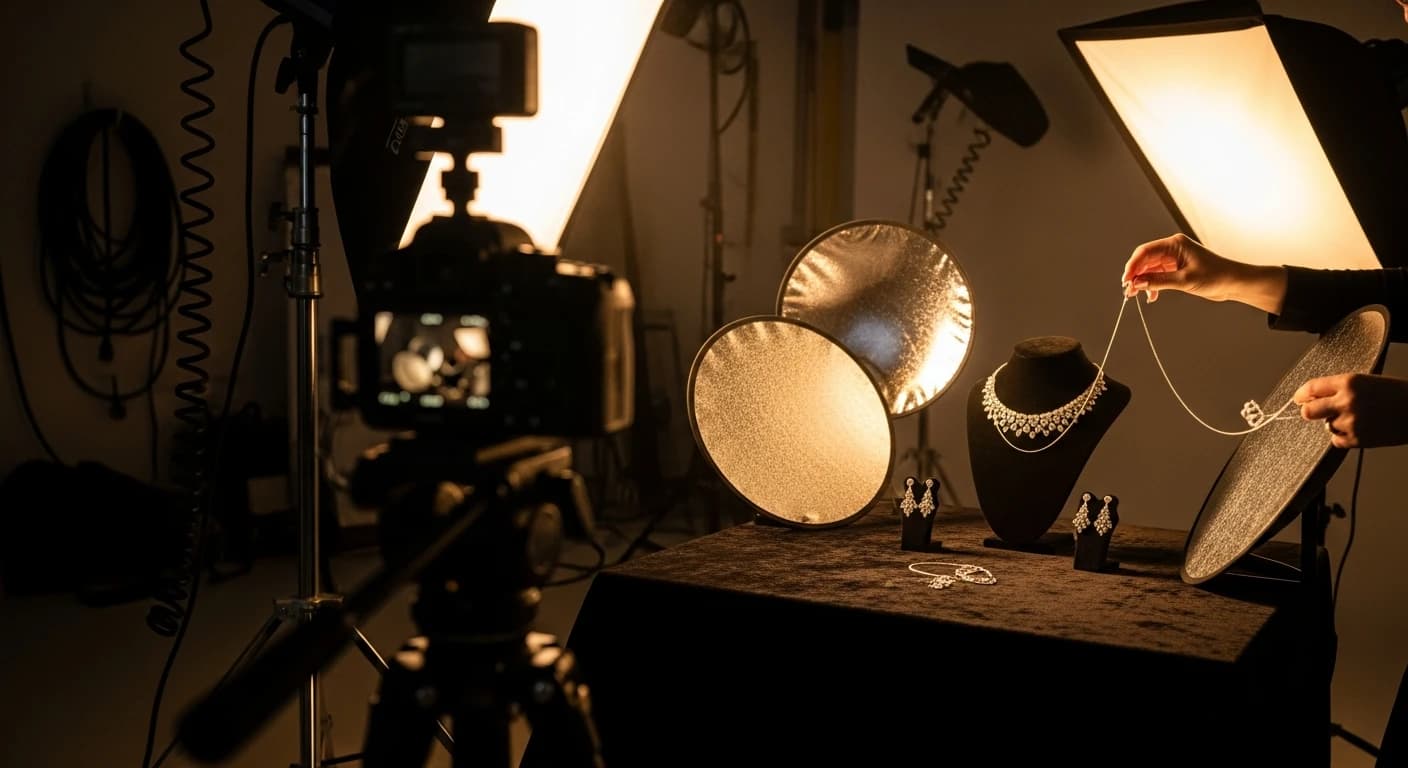
You don't need a videographer. You need a staff member with a steady hand, a ring light, and 20 minutes a day.

Rethink Your In-Store Experience

Train your staff on how Gen Z communicates. No hovering. No "Can I help you find something?" within 10 seconds of entry. Let them explore. Be available when they're ready. Be knowledgeable when they ask. Be direct without being pushy.

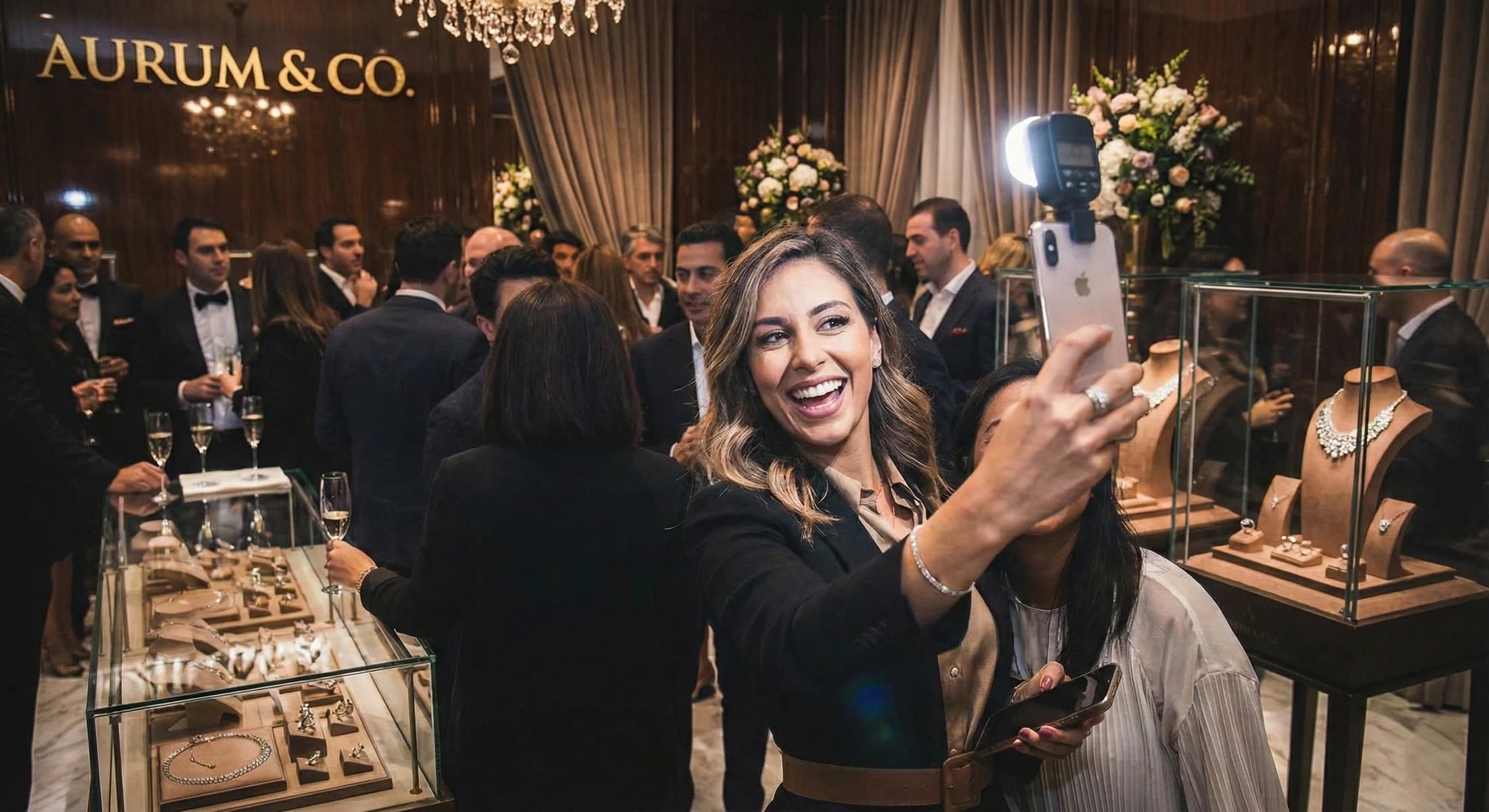
Make the physical space worth photographing. Good lighting isn't optional. Interesting displays that tell a story, whether that's a vintage collection arranged by era or a customization station where they can see options, give them a reason to share your store on their own feed.

Offer customization consultations at every price point. A Gen Z buyer spending $400 on a personalized piece deserves the same attention as someone spending $4,000.

Start a Pre-Owned Program

You don't need to fill half your cases with pre-owned inventory overnight. Start with a small, curated selection of certified pieces. Focus on brands and styles that match what Gen Z is searching for: vintage Cartier, Omega Seamasters, classic gold jewelry with character.

Position pre-owned as sustainable and considered, not as a budget option. This is an acquisition channel. The goal isn't margin on the pre-owned piece. The goal is starting a relationship with a buyer who will spend more as their career and income grow.

Set Up Attribution So You Know What's Working

None of this matters if you can't measure it. Set up UTM tracking on every social link. Optimize your Google Business Profile for "[jewelry/watch] store near me" searches. Ask walk-in customers how they found you and actually record the answers.

Track which Instagram posts drive profile visits. Track which TikToks get saved, because saves correlate with purchase intent more than likes do. If you're running paid ads, track cost-per-store-visit, not just cost-per-click. Our luxury retail marketing playbook covers the full attribution framework for connecting digital spend to in-store revenue.


The Retailers Who Move Now Will Win This Generation

Gen Z is not a future luxury buyer. They are a current luxury buyer with a 40-year purchase runway ahead of them. The 24-year-old who walks into your store this year and has a great experience will still be buying from you when they're 40, if you give them a reason to come back.

The independent retailers who learn how this generation discovers products, what they actually care about, and what the in-store experience needs to feel like will build relationships that last decades. They'll capture revenue that would otherwise flow to DTC brands, online-only platforms, and the small number of competitors in their market who figured this out first.

The ones who wait, who assume Gen Z will "grow into" traditional luxury marketing, will watch that window close.

This generation rewards effort and punishes indifference. They notice when a retailer tries. They notice faster when one doesn't.

You don't have to overhaul everything at once. Start with one channel. Fix one thing. Build from there. Maybe it's hiring a local content creator to shoot Reels in your store this month. Maybe it's training your team on a new approach to walk-ins. Maybe it's adding five certified pre-owned pieces to your cases.

The retailers who move first don't just win Gen Z. They win the next era of luxury retail.


H&CO helps independent luxury retailers connect digital marketing to real revenue, online sales and foot traffic. If you want a strategy built for how Gen Z actually shops, [let's talk](https://itshco.com/contact).

Share this article
Continue Reading

Read Next