
1. Understanding the Luxury Consumer
Luxury brands operate in a unique market characterized by high prices, exclusive products, and a discerning customer base. To sell to them you need to know who they are, what they already own, and what would make them trade up.
Characteristics of Luxury Consumers
Luxury consumers typically fall into two main categories:
HNWIs: This group includes affluent individuals who possess significant wealth and often seek out luxury goods as a symbol of their status. They prioritize quality, craftsmanship, and exclusivity in their purchases.
Shifts in Consumer Preferences
In recent years, there has been a notable shift in consumer preferences within the luxury market. Luxury consumers are increasingly valuing experiences over products. They seek meaningful interactions with brands that resonate with their lifestyle and values. This shift has led to a rise in experiential marketing strategies among luxury brands.
Importance of Exclusivity and Scarcity
Exclusivity and scarcity are fundamental principles in luxury marketing. Luxury consumers are drawn to products that are limited in availability, which is what makes them wanted. Brands that successfully create a sense of exclusivity often see increased demand and customer loyalty.
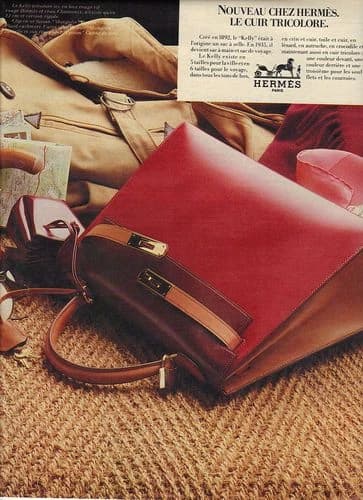
Hermès does this with the Birkin. The brand produces a limited number of these bags each year, creating a sense of scarcity that drives demand. Securing a Birkin bag can take years, as Hermès requires a purchase history and relationship with a sales associate before offering one, which is most of the appeal.
2. Digital Marketing Strategies
Digital is where most of this happens now, and the brands that do it well are not running the same playbook as everyone else.
Visual Social Media Engagement
Luxury brands use Instagram and Pinterest to put the product in front of people who already want it. Good photography sells the piece and gives buyers somewhere to gather around the brand.
Targeted Advertising
Using data analytics and sophisticated targeting techniques, luxury brands can customize their advertising efforts to reach specific demographics. This ensures that marketing messages resonate with the right audience, leading to higher engagement and conversion rates.
SEO
Luxury brands often invest in SEO strategies that optimize their online content for niche keywords relevant to their products. Ranking for those searches puts you in front of people already looking to spend.
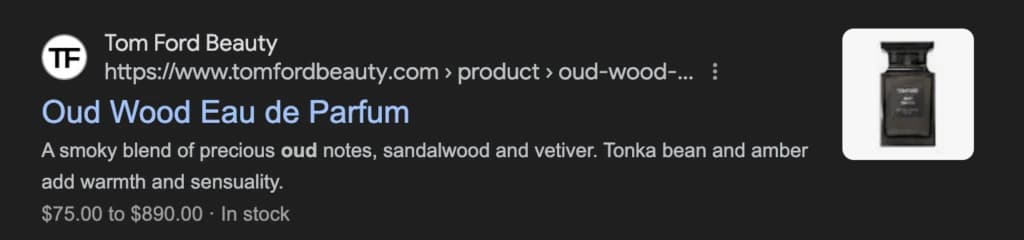
Tom Ford Beauty does this well, optimizing for luxury-related keywords. This strategy makes it easier for potential customers to discover their high-end cosmetics when searching online.
3. Creating a High-End Experience
The experience is what separates you. At this price the product is assumed, so the service is what the customer actually remembers.
In-Store Experience
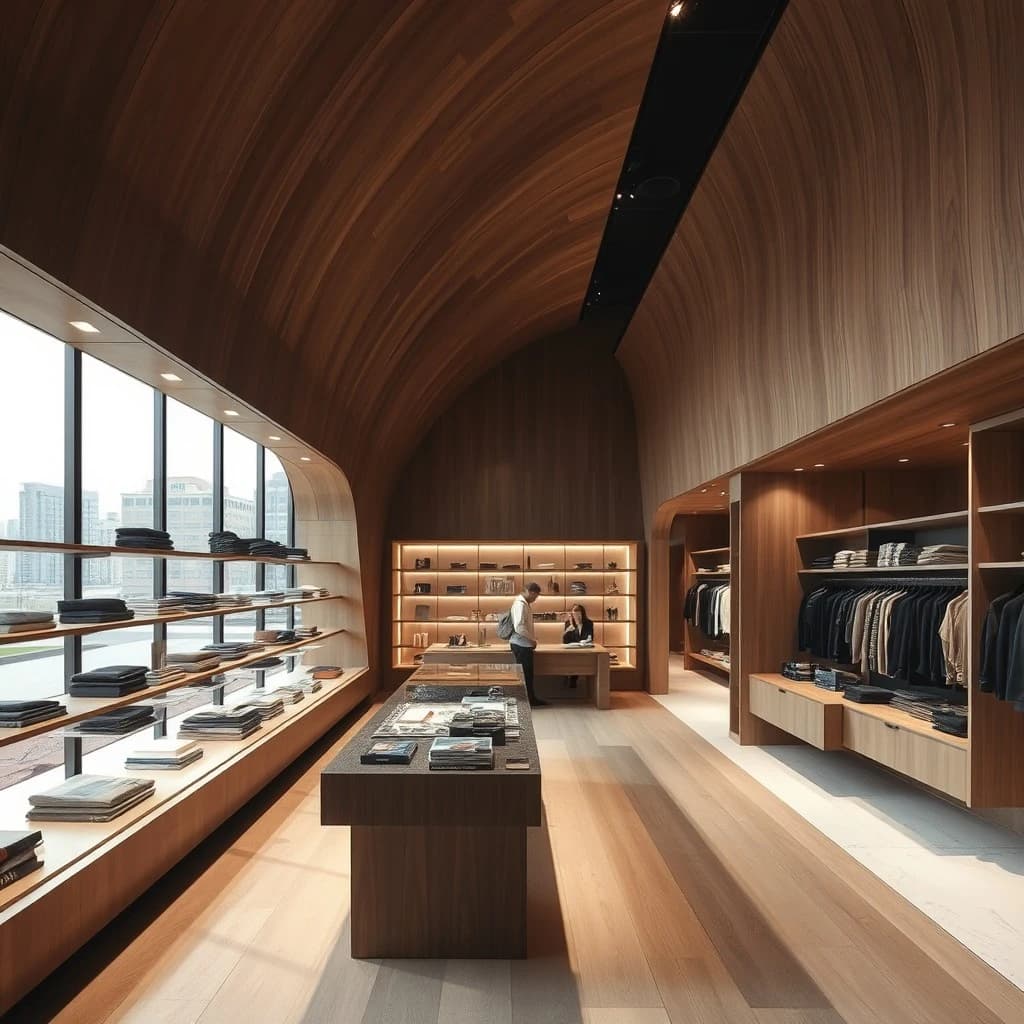
The store itself does a lot of the selling. Luxury brands invest heavily in creating an ambiance that reflects their identity and values. This includes everything from store design to customer service.
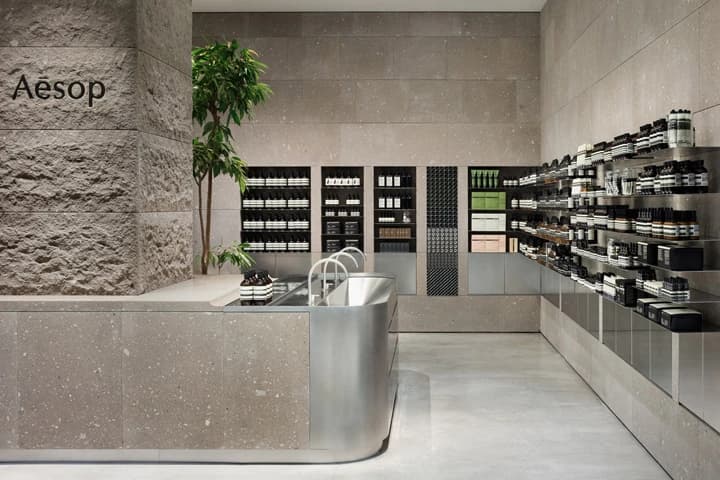
Aesop designs each of its stores differently, often collaborating with local architects to reflect the culture and aesthetics of the area.
Experiential Marketing
Experiential marketing allows luxury brands to connect with consumers on a deeper emotional level by creating memorable experiences that go beyond traditional product promotion.
Example: Loewe's collaboration with Studio Ghibli for a pop-up exhibition at Selfridges in London shows what experiential marketing can do. The installation featured immersive environments inspired by Howl's Moving Castle, creating lasting memories that consumers associate with the brand.
CRM
Example: At Ralph Lauren, CRM systems have been instrumental in managing relationships with VIP clients. The brand uses CRM tools to track customer interactions and preferences, enabling personalized outreach and tailored experiences.
4. Brand Image and Positioning
Brand image carries the price. The customer is buying into what owning the piece says about them.
Leveraging Storytelling and Heritage
Luxury brands often rely on storytelling and heritage to build emotional connections with consumers. By emphasizing their history, craftsmanship, and unique narratives, brands can create a compelling brand image that resonates with their audience.
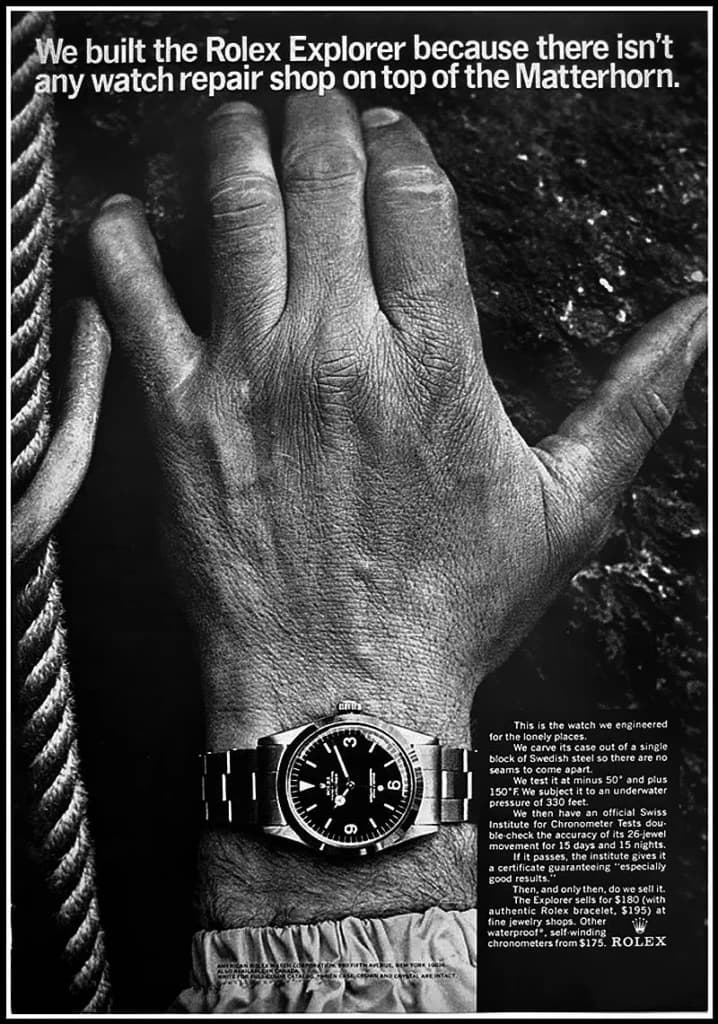
Example: Rolex effectively uses its rich heritage in its marketing strategy. The brand highlights its long-standing tradition of precision and excellence in watchmaking, which is what holds the price and keeps the watch a marker of having arrived.
Collaborations and Limited Editions
Collaborations with artists, designers, and celebrities lift a brand's image and bring in people who were not looking at you before. Limited edition products created through these collaborations often generate buzz and excitement.
Example: Louis Vuitton has successfully collaborated with high-profile artists like Jeff Koons and Takashi Murakami, creating limited edition collections that blend art and fashion, expanding the brand's reach while maintaining its luxury status.
Positioning in the Digital Age
As the channels change, the positioning has to change with them. This includes embracing digital innovations and engaging with younger consumers who prioritize authenticity and social responsibility.
Example: Gucci has effectively positioned itself as a forward-thinking luxury brand by embracing digital platforms and social media. The brand's creative campaigns often feature diverse models and inclusive messaging, appealing to a younger audience that values authenticity.
Conclusion
Luxury brands operate in a unique market that requires tailored marketing strategies to engage consumers and maintain their exclusive positioning. By understanding the characteristics and preferences of luxury consumers, luxury brands can create targeted marketing campaigns that resonate with their audience.
Digital marketing strategies, such as visual social media engagement, targeted advertising, and search engine optimization, are how you get seen and stay in front of the right people, connecting with consumers in the digital age.
The experience is how you separate yourself and keep people coming back. In-store events, experiential marketing, and a CRM that actually holds the detail let you treat someone like you remember them.
Brand image carries the price, and exclusivity, storytelling and heritage are what build it. Collaborations and a clear position online lift that image and bring in people who were not looking at you before.
Luxury marketing works when you know what your buyers want, run the digital side properly, make the experience worth the trip, hold a clear position, and change when the market does.
Want to build a retail marketing strategy that actually drives store visits? Start a conversation.

About the author
Hagop Imasdounian
Hagop Imasdounian is the founder of H&CO. Raised around his family’s jewelry businesses, he brings more than 15 years of digital marketing experience to helping jewelry and watch brands improve their websites, reach buyers and connect marketing with sales.