









H&COStart a conversation
H&CO

Jewelry and watch specialists.

Start a conversation

Jewelry advertising judged by what it sold.

We run jewelry advertising for jewelers, watch retailers and jewelry brands on Google and Meta, and on ChatGPT where OpenAI’s program is open to you. We make the ads, run the accounts and show you which ones led to sales, online and at the counter.

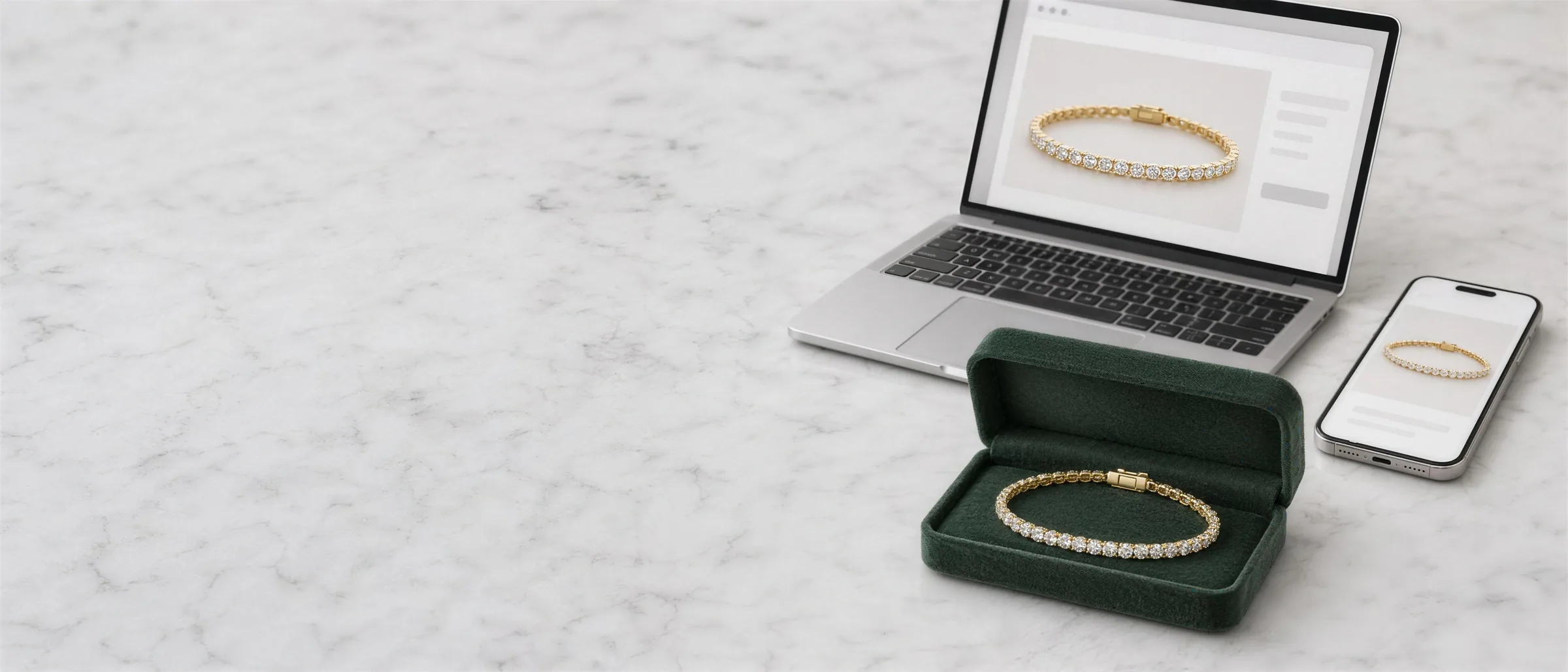
A laptop and a phone showing a diamond tennis bracelet, with the bracelet in its box in front of them on white marble
$20M+
Ad spend managed
collectively, by our team
100,000s
Jewelry shoppers targeted each month
across every kind of jewelry business
$10,000+
Single orders from Meta ads
many times over
35-40%
More conversions
after we build a client’s website
Alex Moss NY logoL'ORO Jewellery logoSTYX Gold logoOROSERGIO logoJewelOps logoCarat & Caliber logoShiny Jewellers logo

Your buyer decides over weeks. Your ads have to be there for all of them.

We’re a jewelry advertising agency running Google and Meta ads for jewelers, watch retailers and jewelry brands. A buyer sees a bracelet on Instagram, searches the brand days later, compares stores and pays at a counter. Jewelry advertising keeps your name in that decision from the first look to the last, on the searches, feeds and assistants where it gets made. Across our clients, the median buyer visits the website 4 times before buying in the store.

A retailer, a brand and a wholesaler buy ads for different reasons, so your plan starts with yours.

We’re a marketing agency for jewelers and watch businesses, based in Los Angeles, and we run Google Ads and Meta ads for jewelry retailers, watch retailers and jewelry brands. We work for the stores and for the brands in their cases, and our research on 48,332+ jewelry and watch ads across 142 retailers shows how each one advertises.

Authorized retailers

Each brand decides how its name and photos appear, and co-op money comes with paperwork of its own. We run those campaigns exactly as approved, with the automatic edits in Google and Meta switched off, and track every claim deadline across channels. Your bridal, custom and estate pieces get a separate budget, because that’s often where your margin sits.

Independent retailers

Your assortment, your name and the area you serve carry the ads. Google catches people near you looking for a piece or a jeweler, and Meta keeps your case in front of them while they decide. Each click lands on the piece or the appointment page.

Jewelry and watch brands

A brand pays to build demand for its name, through its own store and through the retailers who carry it. We make sure searches for your name reach your store first, and we plan retailer campaigns so their ads and yours stop bidding against each other. If you sell abroad, we run international targeting country by country.

Wholesalers and manufacturers

The buyer here is a store, and the ad has to open an account or bring a current one back to reorder, in your home market or abroad with international targeting. We reach the people who buy for jewelry stores and send them to a catalog that shows what’s in stock. We count the orders that follow, around a trade show or all year. Read the quarterly report

We write, film and cut the ads ourselves.

Search ads, product feeds, photos, display banners and video are all part of the work. We can also help your team with any part of it.

We study what sells, then make the ads

We study your past ads, your best-selling pieces and the 48,332+ jewelry and watch ads in our research, then write, design and film from what works, down to catalog ads that show each piece worn instead of a plain product shot. You approve every ad before it runs.

We film, or bring in a creator

We run the shoot ourselves, or we bring in a watch or jewelry creator who fits your brand. One session gets cut for every placement and edited so it looks like your store.

Every size, inside the brand’s rules

We set up templates for each ad size and an approval step, so every ad follows the brand’s rules without starting over.

A few questions, then we start making them

We start with what you sell, who buys it, what has run before and what your brands allow. From the answers we agree what to make first, and the first ads go into production.

We match each sale to the ad before it, online and at the counter.

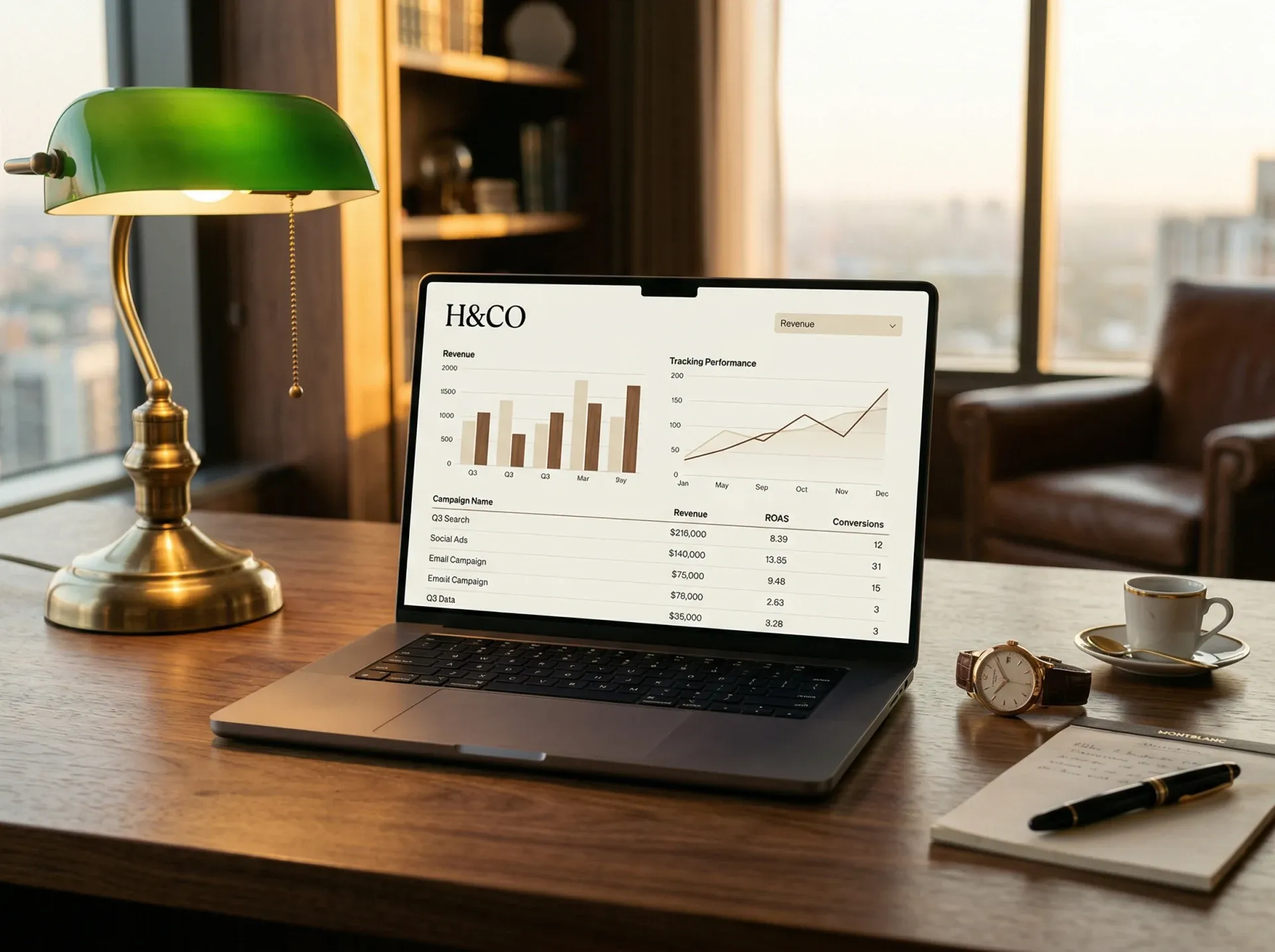
Google and Meta each count the sales they can see, and both will count the same one. We judge your ads on the sales recorded in your own systems, whether that’s The Edge, Shopify POS or Lightspeed. The account then runs every week on what those sales say.

Each sale labeled for what it is

Our attribution connects clicks on your ads to sales in your systems, online and in the store. Each report tells three things apart: sales matched to an ad, contribution we modeled and sales we couldn’t tie to a source. See how our sales tracking works

The account run every week on what sold

Budget moves to what sells, searches and audiences that don’t buy get cut, and new ads go up against the ones already working. Some of what we test won’t sell for you, because a channel that works for one jeweler can do nothing in your market. When that happens we say so, and the money moves.

Our own tools for control at high prices

A fine piece costs thousands, so the wrong audience gets expensive fast. We built our own software to target buyers more precisely, hold spend tighter than the platforms allow on their own and see every channel’s spend in one place.

Placements that suit a fine piece

Display ads run on news and lifestyle sites your buyers read, like Forbes, picked by name. Left alone, Google and Meta will put a diamond ring inside free games and cheap apps, so we switch those off and check where your ads actually ran.

Your inventory connected to your ads

We connect your point of sale, like The Edge for Jewelers, to Google Merchant Center and your Meta accounts, so your ads draw on what the store actually has.

A plan for how your business sells

A retailer needs people in the store asking for the brands it carries. A brand needs demand for its own collections. We run Google Ads, Meta ads and programmatic for both, and each plan starts from how that business makes its sales.

What it looks like when the marketing works.

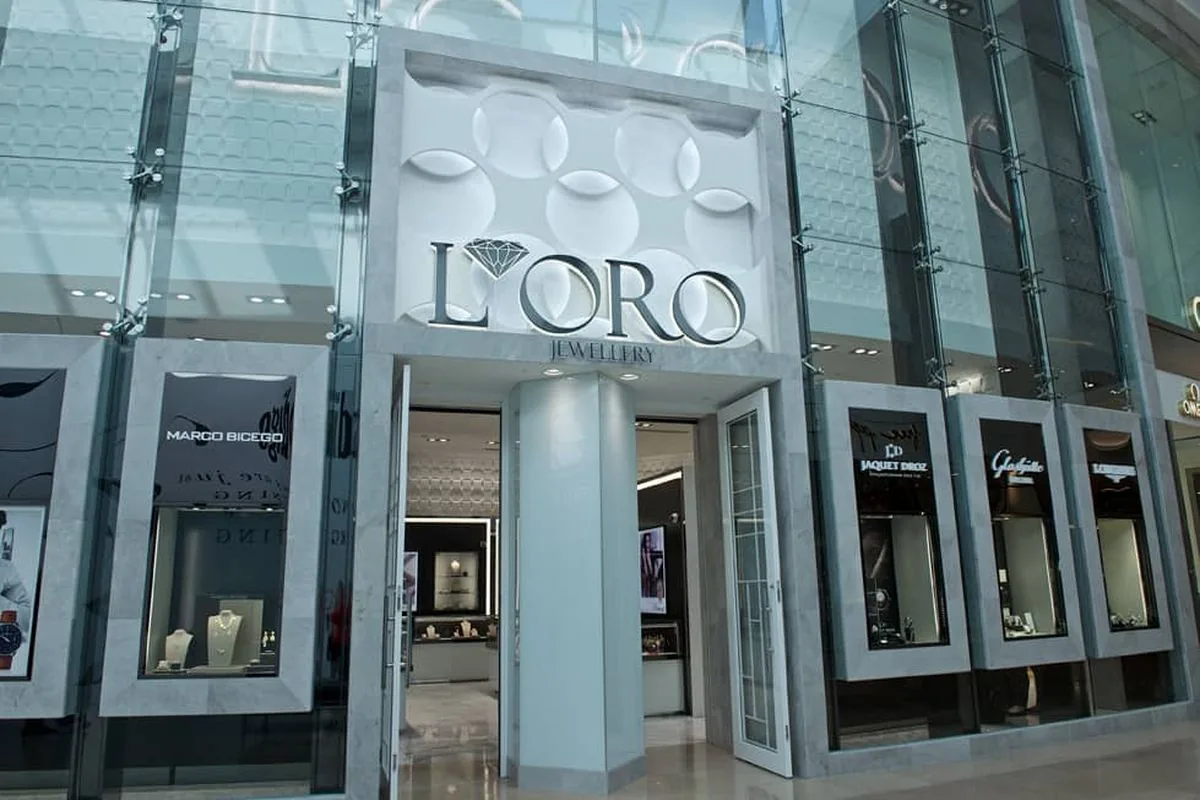
L’ORO Jewellery storefront

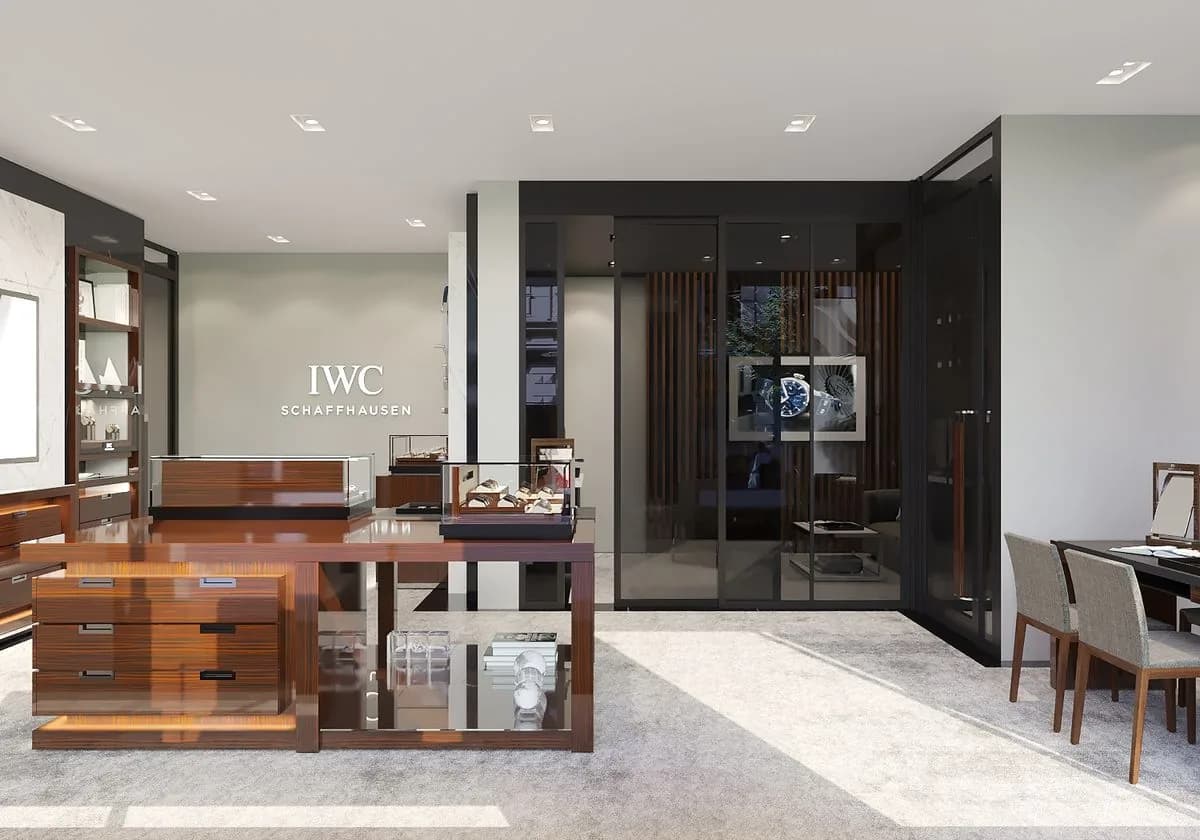
L’ORO is a multi-brand jewelry and watch retailer with Omega, Chopard and IWC boutiques. We moved its website from WooCommerce to Shopify in October 2026, connected it to Zoho CRM and gave every store and boutique its own place on it. We also run its ads, SEO and email.

100,000+
luxury jewelry and watch shoppers reached by our ads every month
View the L'ORO Jewellery project
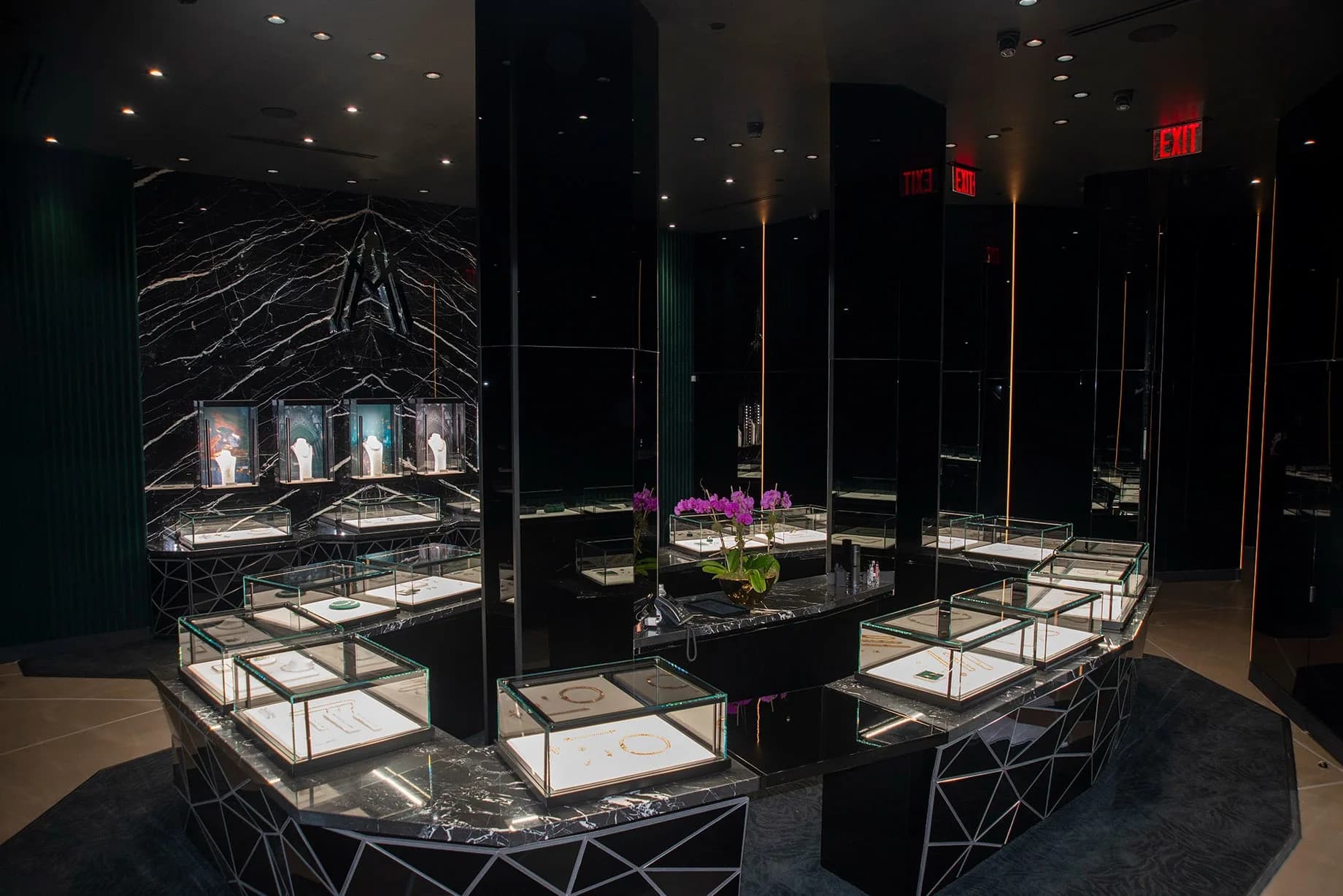
The Alex Moss NY showroom

Alex Moss New York is a jewelry brand with its own showroom, and our client for 8 years. We consulted on the business, built its website on Shopify, run its Google and Meta ads and its email, and helped grow its Instagram from zero to hundreds of thousands of followers.

+35%
more conversions
View the Alex Moss NY project
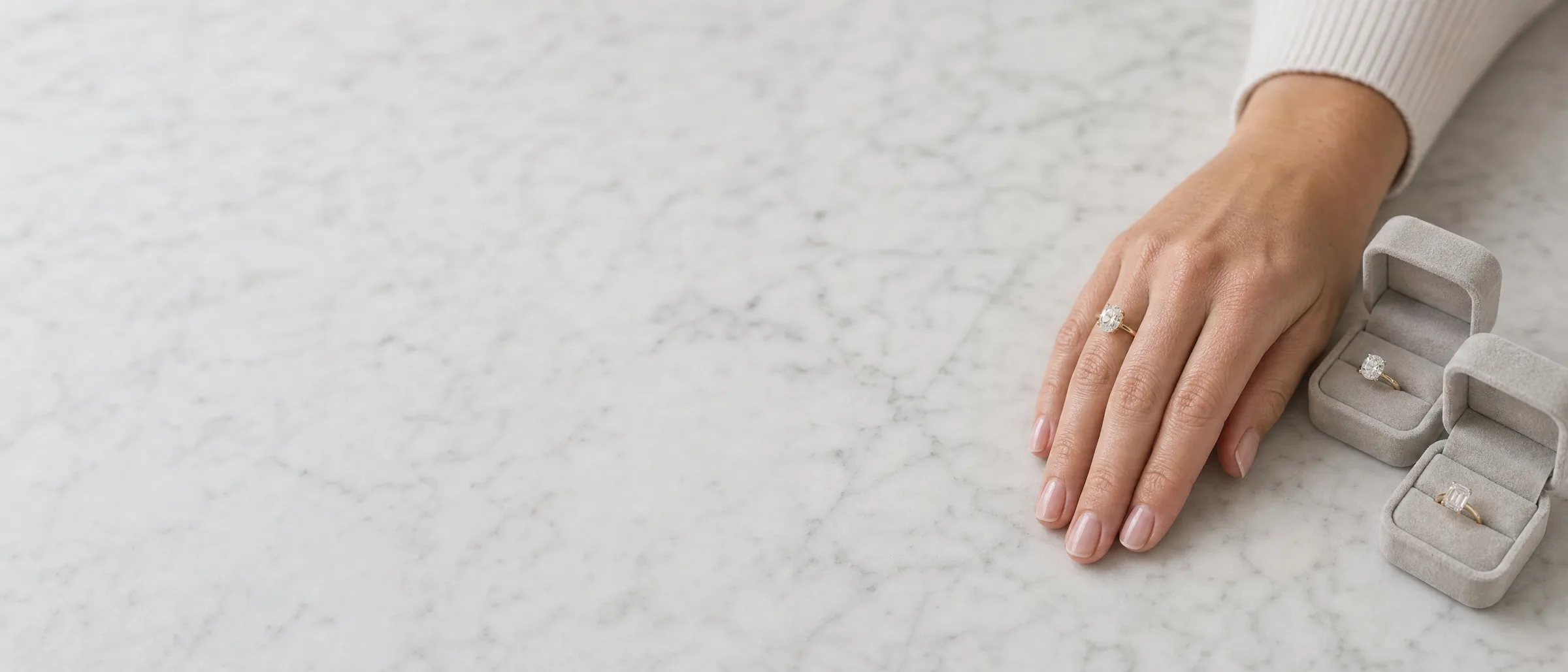
OROSERGIO engagement rings on a hand

OROSERGIO is a custom jewelry studio and manufacturer. We repositioned its message, designed and built its website, set up Zoho CRM with online booking, and run its SEO and Google Ads.

View the OROSERGIO project

Outside accounts advertising for retailers ran 14.2% fewer ads since April, while retailers’ own ads rose 9.8%.

93 jewelry and watch retailers counted in both April and September, Q3 2026 benchmarkSee this quarter’s stats

Questions about jewelry advertising, answered.

These are the questions jewelers ask us most, with straight answers.

How much should a jewelry store spend on advertising?

Start from what one sale is worth to you and how many buyers in your market look for what you sell. Across the searches we have real spend on, our clients pay a third to half of the top-of-page price Google’s own planner quotes. We set a monthly budget for each channel and the cost per sale it has to beat, and you see both before anything runs.

Which advertising channel should a jewelry business start with?

Start with the channel where your buyers already look for what you sell, which for a store is usually Google Ads. Meta then keeps those buyers interested through the weeks they take to decide. We read your pieces, your market and your sales records and give you the order on the first call. ChatGPT ads are the newest option, and getting your store named in AI answers is separate work on your own pages.

What return on ad spend should we expect from jewelry advertising, and how will we know?

We won’t promise a number, because the return depends on your pieces, your prices, your market and the rest of your marketing. You’ll know from your own records. We connect your ad accounts to The Edge, Shopify POS or Lightspeed and match each recorded sale to the ad before it. A platform’s return figure is its claim on your sales, so it sits beside your number and never replaces it.

Do we have to sign a long contract?

Ongoing marketing starts with a 90-day commitment, then moves to month to month. A website build, a trade-show campaign or any other project has its own scope and terms, agreed before work starts.

Who owns the ad accounts and the data?

You do, because your ad accounts, tracking code, website and customer data stay in your name. You control access and give us the permissions the work needs. The ads we make with your logo on them are yours too, and they stay with you if you leave.

Will you also work for my competitor?

No, we work with one jeweler in each market, so we never take on your direct competitor. We agree what counts as your market and who counts as a competitor before we start.