
Why Are Authorized Dealers Losing Revenue From Their Own Waitlists?
H&CO is a digital marketing agency for luxury jewelry and watch retailers. We see the same pattern at nearly every store we work with.
Every Authorized Dealer (AD) has one: a CRM folder, a spreadsheet, or a stack of index cards representing the "Waitlist." These are hundreds, sometimes thousands, of individuals who have explicitly stated they want to spend $10,000, $50,000, or $150,000 at your store.
They are pre-qualified. They have high-net-worth. They have demonstrated intent. And yet that list is usually a graveyard of missed opportunities.
The industry standard response to the "allocation gap" is silence. You tell the customer you'll call them when the piece arrives. Then you don't speak to them for eighteen months. In that time, that customer has a wedding anniversary. They have a child's graduation. They have a major promotion.
And because you weren't talking to them, they bought the $15,000 diamond necklace for their spouse from your competitor down the street.
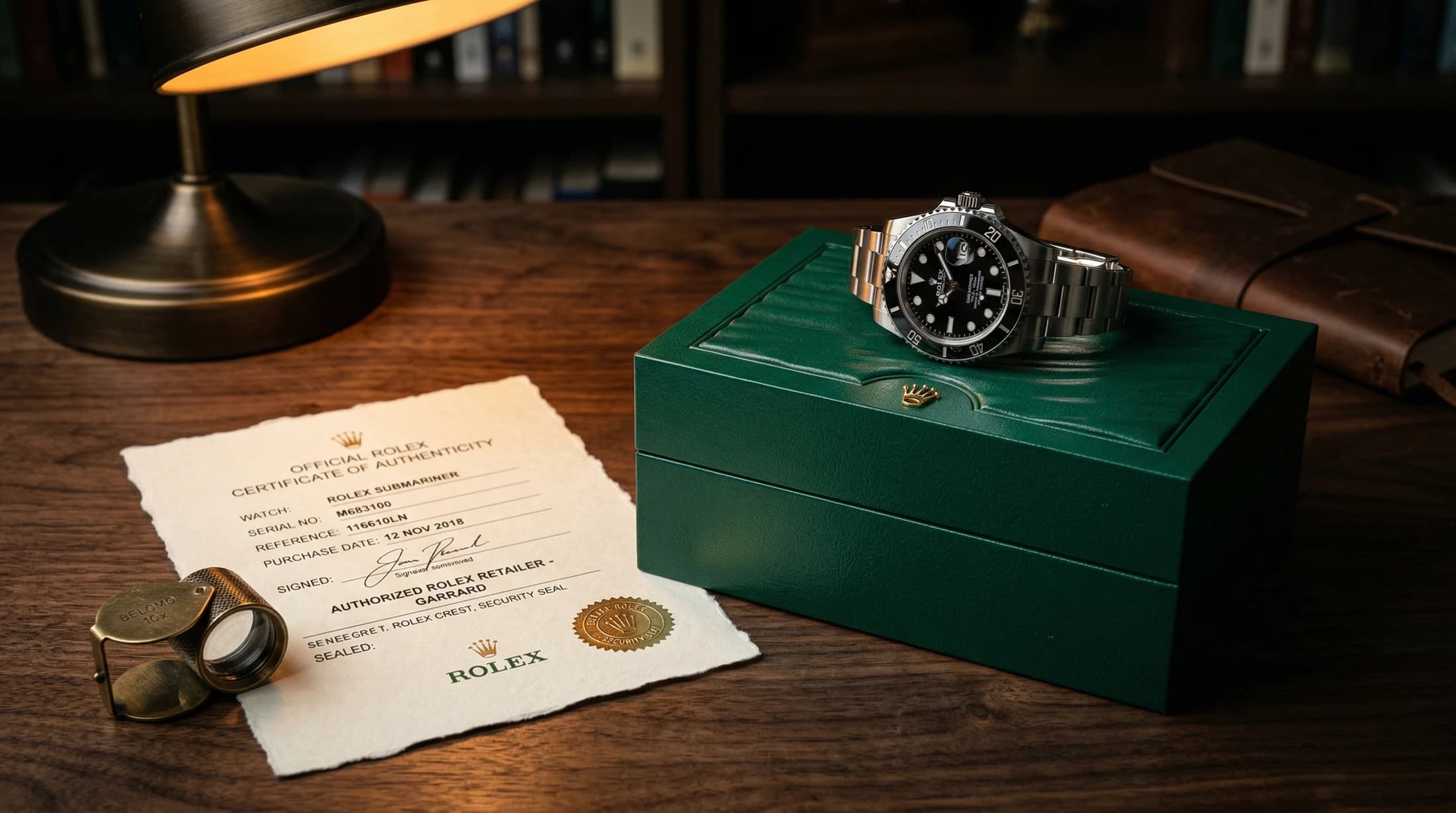
According to Fortune Business Insights, 81.4% of luxury watch sales still happen offline in physical stores. This is because the transaction is fundamentally about the relationship and the "Trust Bridge." This bridge matters because every dollar lost to fraud costs more than its face value once recovery is counted. As an AD, your primary value proposition is being the "Safe Harbor" against the fraud-ridden gray market.
What Makes the Waitlist Problem So Expensive?
The fundamental mistake is viewing the "allocated watch" as the end-goal of the relationship. It isn't. It's the entry point.
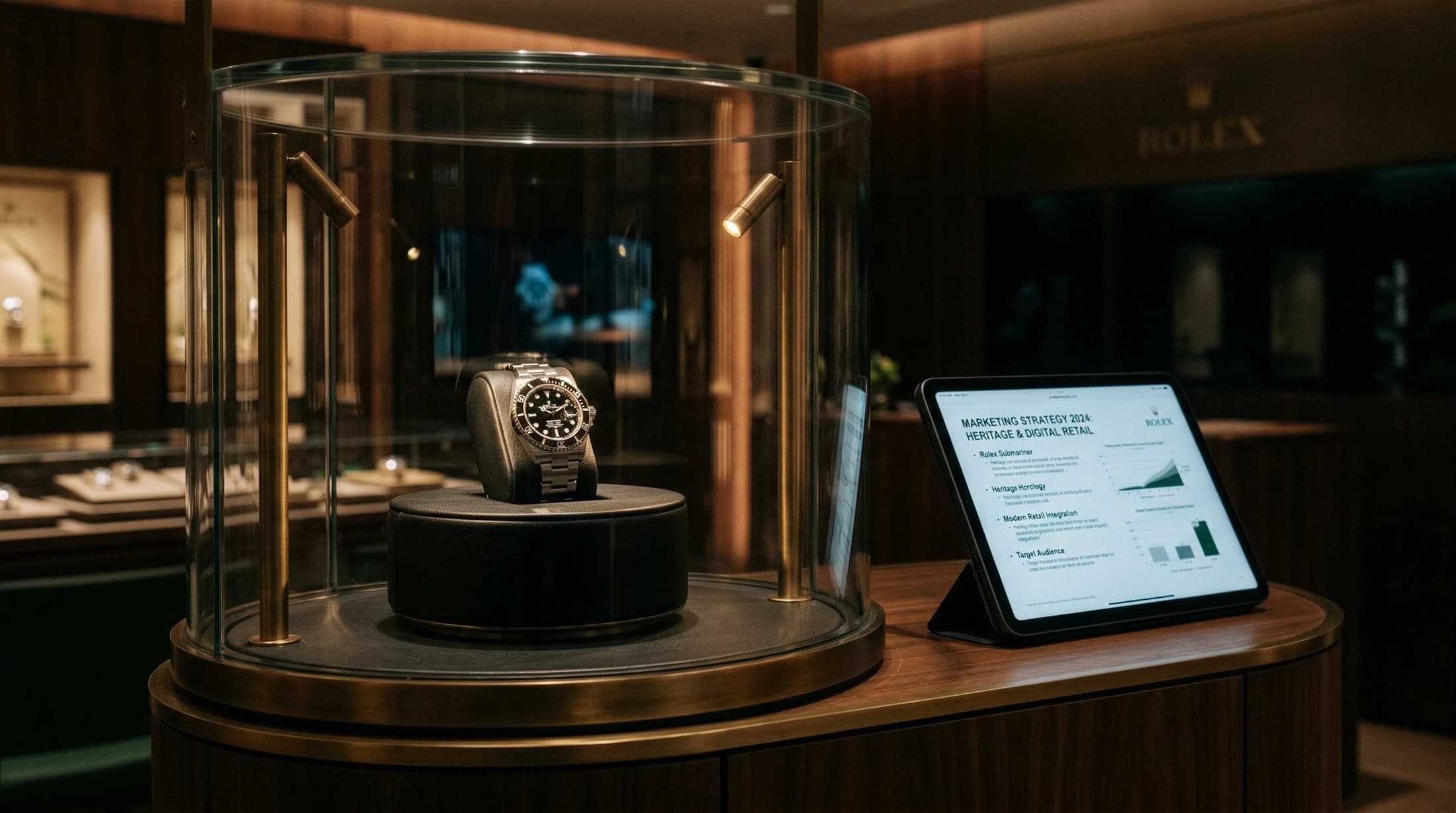
When a customer joins your list for a Rolex Submariner or a Patek Philippe Nautilus, they are handing you their data and their trust. They are often searching for these pieces visually: Google Lens now handles nearly 20 billion visual searches a month (Google, 2024), with buyers frequently using Google Lens to identify specific watch references.
When you go silent, you signal that you only care about the transaction, a transaction you can't even fulfill right now. This creates "allocation resentment." The customer feels like they are begging you to take their money. While they wait, they are still consuming luxury content. They are still seeing ads from gray market dealers on Instagram. They are still walking past other jewelry stores.
If you don't provide value during the wait, you are training your best prospects to shop elsewhere for everything except the one thing they can't get: the allocated watch.
Why Is a Waitlist Customer Your Highest-Value Lead?
The "waitlist customer" is the highest-value lead you have.
- They are vetted: You know they can afford luxury.
- They are local: They are likely within driving distance of your showroom.
- They are loyal (for now): They chose you over the AD in the next city.
During the 12 to 24 months they might wait for a specific reference, their "jewelry wallet" remains open. They are the easiest cross-sell you have because the establishment of trust is already done. The industry is also moving toward greater transparency: 82% of retailers are projected to move to GS1-standard QR codes by 2027. Using these "Digital Links" to provide provenance and exclusive content to your waitlist is a powerful way to maintain engagement (GS1 US, 2020).
How Do You Nurture a Customer Who's Waiting for a Product You Don't Have?
You shift the focus from the product to the lifestyle and the relationship.
1. The Personal "Non-Update"
Once a quarter, the sales associate should send a personal, one-to-one email. Not a marketing blast.
*"Hi John, I saw this new editorial on the history of the GMT-Master II and thought of you. Still tracking your request, no news yet, but I wanted to make sure you saw this."*
2. "While You Wait" Curation
Segment your email list based on the watch they are waiting for. Send them edited "Lookbooks" of high-end jewelry or available-stock watches that align with that aesthetic.
3. The "Inner Circle" Events
Invite your waitlist to in-store events first. If you can get a waitlist customer into the store for a drink and a conversation, they are 5x more likely to buy a gift for their spouse while they're there (H&CO client data).
4. Content as a Bridge
Use your blog and social media to educate them. Link them to articles on collection building, care guides, and brand history deep-dives that keep your store top-of-mind.
What Does the Revenue Math Actually Look Like?
If you have 500 people on a waitlist and you convert just 5% of them into a $5,000 jewelry purchase during their 12-month wait, that's an additional $125,000 in top-line revenue from customers you were previously ignoring.
The tricky part is proving which touchpoints drove the sale. Our article on The 14-Day Blind Spot covers the attribution gap that makes luxury retail tracking so difficult. Retention math is undeniable: a customer who buys a watch and a piece of jewelry is significantly less likely to "dealer hop."
Your waitlist is a revenue channel. We'll build the nurture strategy to prove it. Let's talk.
Research & Sources
- GS1 US: *The 2027 Sunrise Report.* 82% of retailers are moving to 2D/QR codes (GS1 Digital Link) by 2027 to improve product authentication and consumer engagement.
- LexisNexis: *The True Cost of Fraud.* The full cost of fraud for high-ticket retailers beyond the direct loss.
- Google: *Lens product update, October 2024.* Google Lens processes nearly 20 billion visual searches per month.
- Fortune Business Insights: *Luxury Watch Market Analysis.* Report on the 81.4% offline sales dominance in the luxury watch sector.

About the author
Hagop Imasdounian
Hagop Imasdounian is the founder of H&CO. Raised around his family’s jewelry businesses, he brings more than 15 years of digital marketing experience to helping jewelry and watch brands improve their websites, reach buyers and connect marketing with sales.