
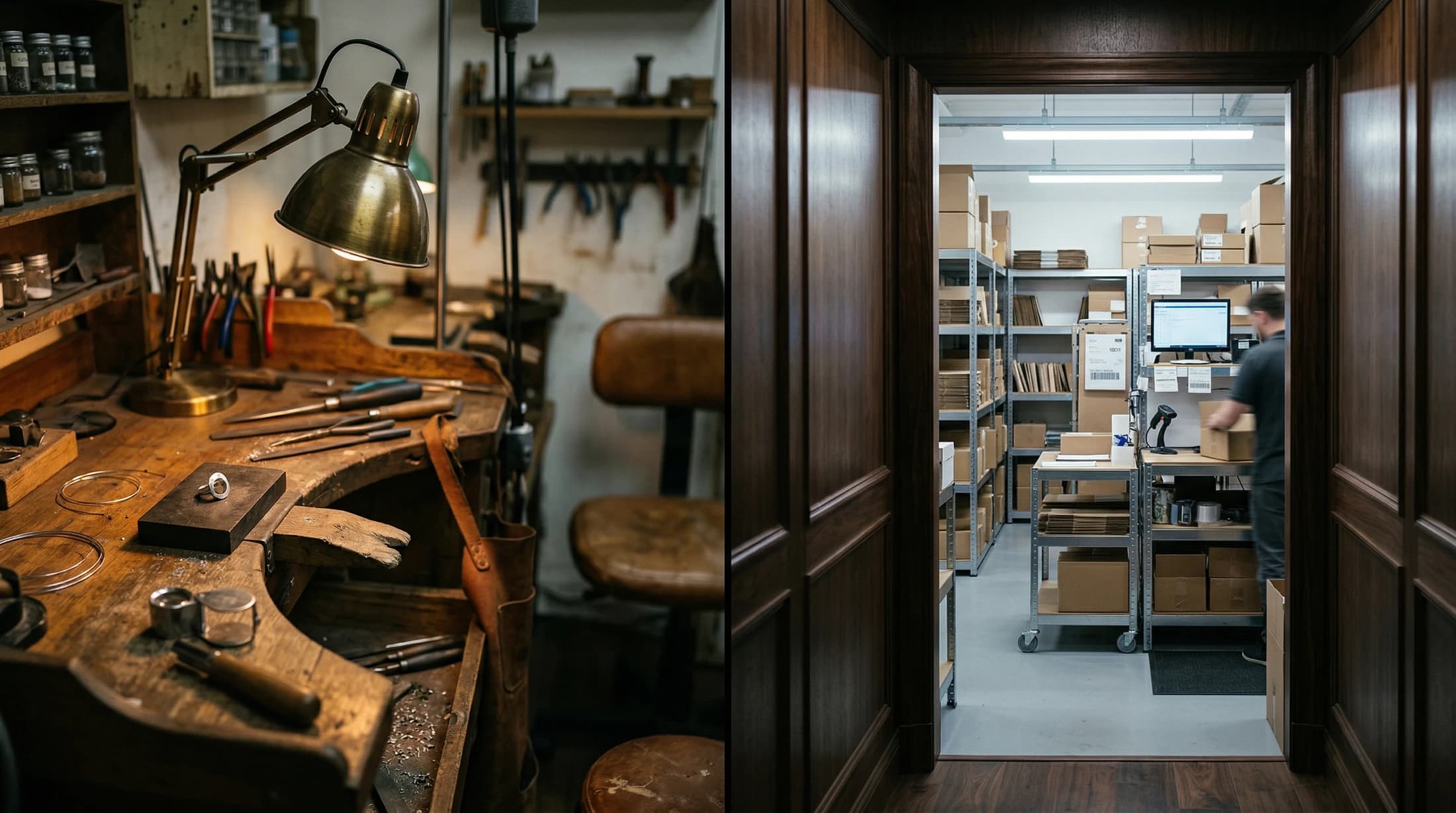
The scaling wall is a paradox. You've succeeded because your work is high-touch, intimate, and exclusive. You are the artisan, the designer, and the face of the brand. But now, you're at capacity. Your waitlist is three months deep, your inbox is a disaster, and you are working 60-hour weeks.
The very things that made you successful, the "one-of-a-kind" service and the personal touch, are now the bottlenecks preventing your growth. If you don't scale, you'll eventually burn out, and the value of your brand will die with you. If you scale incorrectly, you'll lose the "soul" that brought people to you in the first place.
At H&CO, we specialize in helping independent jewelers bridge this gap. We believe that scaling isn't about selling out; it's about building systems that protect your craft.
The Scaling Wall: When Does it Happen?
It happens when the "Maker's Schedule" and the "Manager's Schedule" collide. As an artisan, you need large blocks of time for deep work. As a business owner, you need to manage a website, run Meta ads, and handle the research window that every modern client goes through before booking a consultation.
If you're spending 40 hours a week at the bench and another 20 hours a week answering basic questions from leads who are only on day three of their research, you have become an underpaid customer service representative who occasionally makes jewelry.
Option 1: The Premium Pivot (Price as a Filter)
The simplest way to scale is to stop scaling volume and start scaling value. If you're booked out 3 months, your prices are too low. Period.
Raising your prices accomplishes three things:
- Filters the Demand: It narrows your waitlist to 4-6 weeks, which is the "sweet spot" of exclusivity without frustration.
- Increases the Margin: You make the same revenue with fewer commissions, giving you more time to spend on the pieces that actually excite you.
- Strengthens the Brand Positioning: High prices signal authority. In the luxury jewelry world, a higher price tag often creates *more* demand because it moves the product into true status-symbol territory.
The Risk: You hit a ceiling. There are only so many $50,000 commissions you can handle in a year before you realize you've just built a very high-paying job, not a brand that lives beyond you.
Option 2: The Creative Director Transition (Hiring Bench Support)
This is the most common path. You hire a junior bench jeweler to handle the "dirty work", the finishing, the polishing, the simple settings, while you focus on the creative direction and the final quality control.
To do this successfully, you must document your "Style DNA." What makes a ring *yours*? Is it the way the prongs are shaped? Is it the specific polish you use on the inside of the band? By systemizing your design choices, you can ensure that the "soul" remains even if your hands didn't do 100% of the labor.
This is the move from "Artisan" to "Studio."
Option 3: The Ready-to-Ship Collection (Moving to Batch Production)
If you want to build a brand that generates revenue while you sleep, you need a repeatable product. The custom side of the business builds your authority and feeds your portfolio, but the ready-to-ship collection builds your scale.
By launching a collection of "Signature" pieces that can be produced in batches, you can put your brand equity to work on a wider audience. This is where SEO strategy for jewelry and watch retailers stops being optional. You stop ranking just for "[City] Custom Jeweler" and start ranking for "[Style Name] 18k Gold Necklace."
When you have a repeatable product, your marketing becomes much more efficient. You aren't just selling one consultation; you're selling a product that you can produce indefinitely.
The Authority Factor: Why Digital Content is Your Greatest Scaling Asset
As you scale, you become less "accessible." You can't talk to every lead for an hour. This is where your digital content takes over.
In H&CO client data, jewelers who focus on high-quality, authoritative content see a 45% AI citation lift. This means that when potential clients use AI search engines (like Perplexity or SearchGPT) to ask, "Who is the best custom jeweler for nature-inspired rings?", your brand is cited as the authority.
This digital authority does the heavy lifting for you. It builds trust during the research window so that when a lead finally *does* enter your funnel, they are already pre-sold on your expertise. You are scaling your *influence* without scaling your *time*.
Keeping the Soul: Three Rules for the Transition
1. The Story Remains First-Person
Even if you have five employees, the brand narrative should stay personal. "I designed this collection because..." rather than "The brand is launching a new collection." The founder is still the North Star. People buy from people, especially when the average ticket price is five figures.
2. Document the Process, Not Just the Result
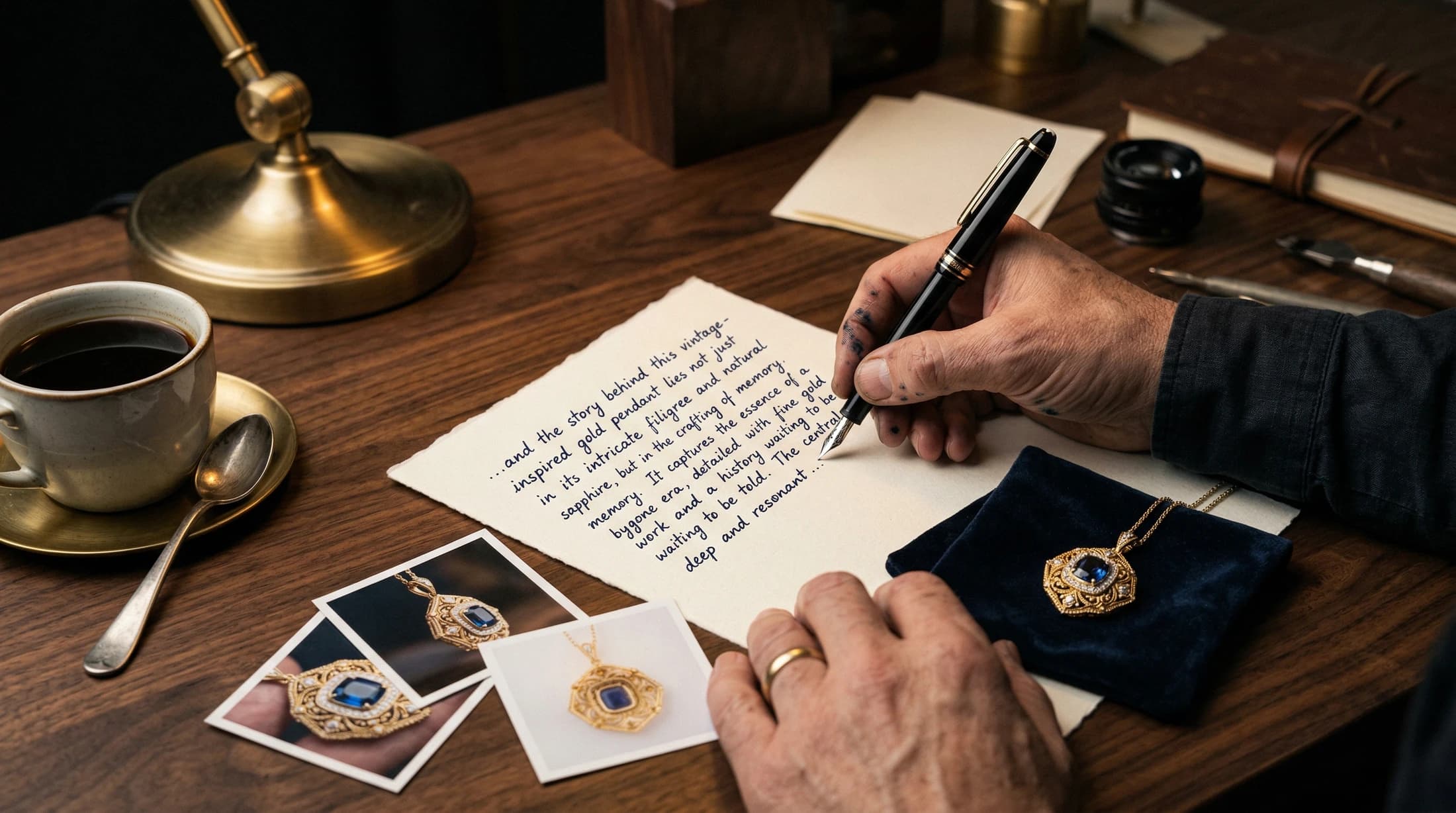
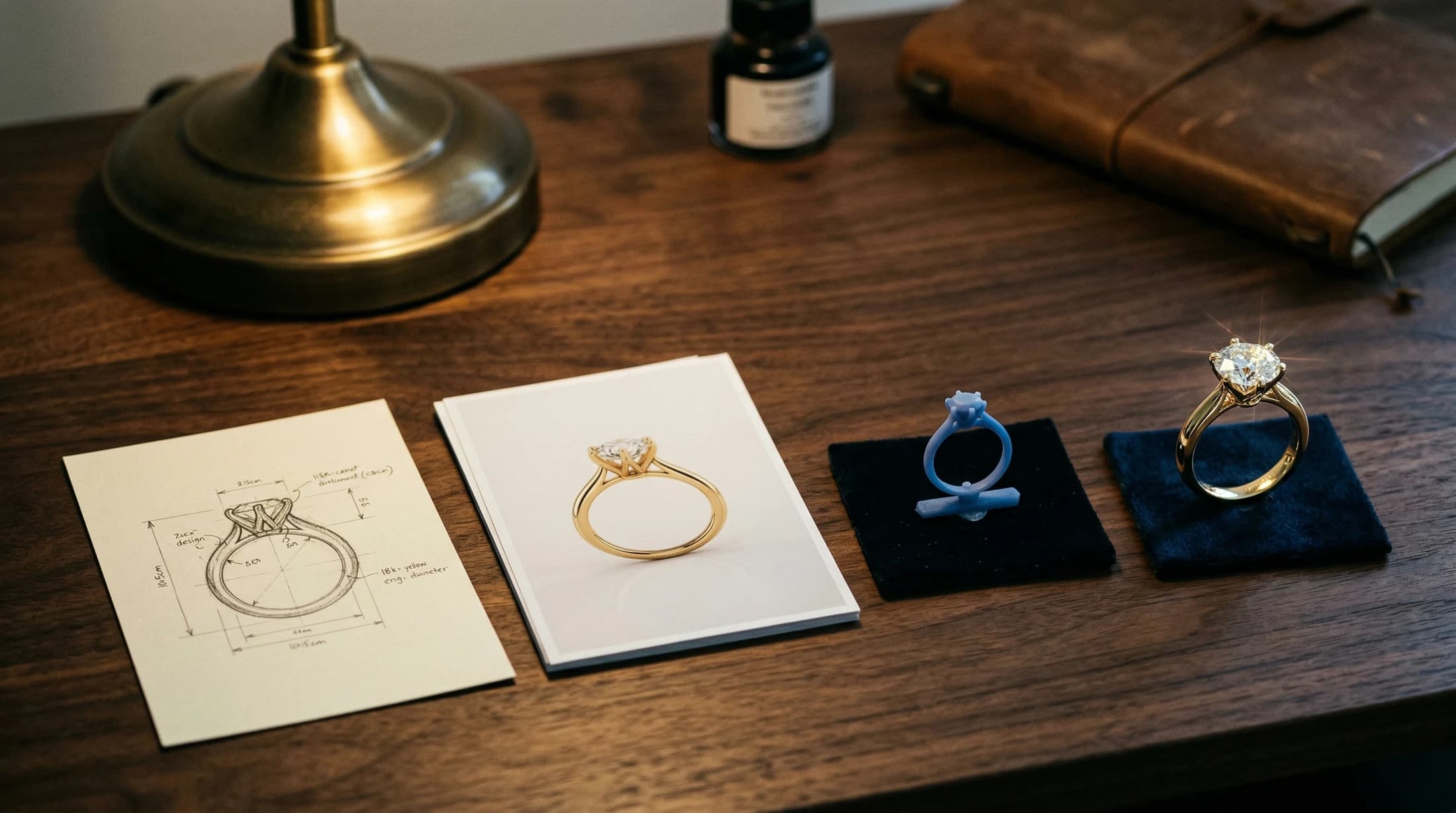
Transparency is the antidote to the "mass-produced" perception. Show the "making of" for your collections. Explain why you chose a specific bench jeweler or manufacturer. Share your design sketches. By documenting the journey, you bring your audience into the studio with you, maintaining the intimacy that brought them to you in the first place.
3. Tier Your Brand
Successful scaling often involves a "ladder" of offerings:
- The Entry Tier: $500 - $3,000 (Ready-to-ship collection). This builds brand awareness and makes your work accessible to the next generation of clients.
- The Mid Tier: $5,000 - $15,000 (Semi-custom). Repeatable designs with stone customization.
- The Top Tier: $25,000+ (Full Custom). Direct access to the founder. This is where the "one-of-a-kind" soul lives.
This tiered approach, outlined in our luxury retail marketing playbook, allows you to scale the bottom of the pyramid while keeping the top as exclusive as ever.
The Marketing Shift: From Portfolio to Product Line
As a one-person shop, your marketing is likely reactive (referrals and portfolio posts). As a brand, your marketing must be proactive:
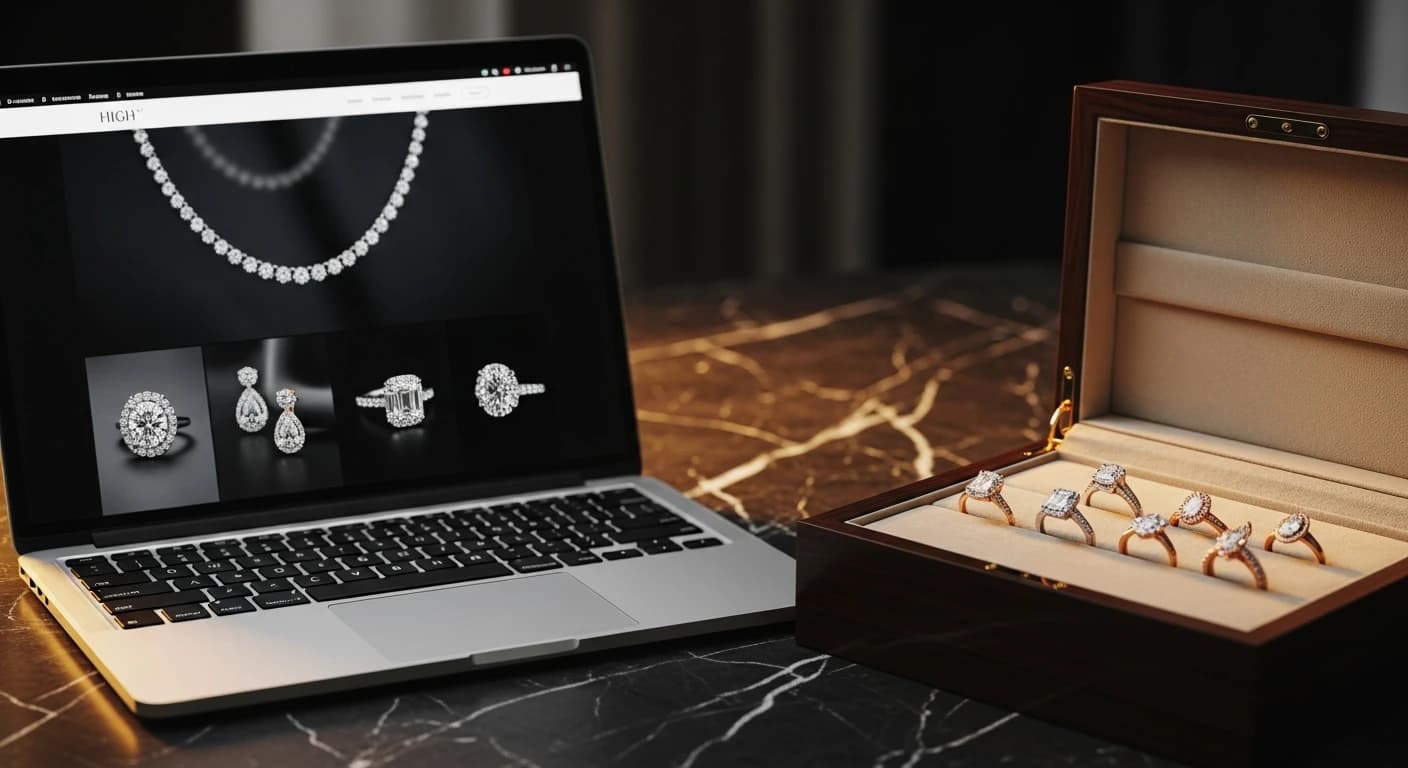
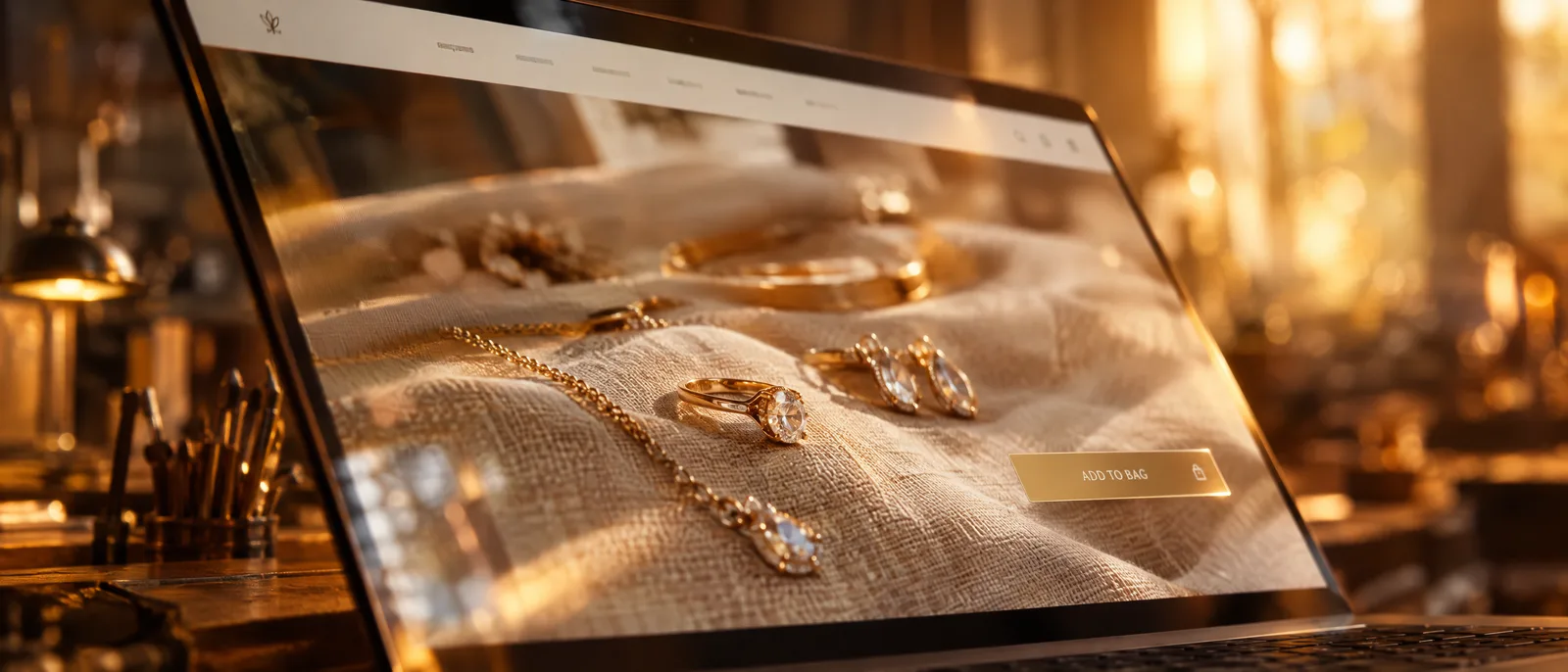
- E-commerce Infrastructure: You need a high-converting site that handles transactions, not just inquiries.
- Email Marketing: You need to nurture the thousands of people who take your style quizzes but aren't ready to buy *today*.
- Paid Social for Discovery: You aren't just retargeting warm leads; you are introducing your brand to new audiences who fit your demographic.
Scaling doesn't mean becoming corporate. It means becoming a leader. It means moving from a place where you are the bottleneck to a place where you are the visionary. We'll help you design the systems that allow your brand to grow without losing the magic that made you start in the first place.
The custom jewelry market is projected to reach $4.3B by 2026. Scaling your talent into a brand is the only way to capture that growth without sacrificing your sanity (The Business Research Company, 2026).
"Your talent shouldn't be your limitation. We'll help you build the systems that let you scale your soul. Let's talk."
Hagop's Notes
*The "soul" of your brand isn't actually in your hands. It's in your point of view. You can teach someone to polish a ring, but you can't teach them your eye for design. Focus on scaling the polish so you can spend more time on the vision.*
Research & Sources
- Grand View Research: *Custom Jewelry Market Growth Projections 2024-2030.* Data on the $4.3B market.
- Bain & Company: *Global Luxury Goods Market Study 2024.* Insights on the top 2% of customers (VICs) driving 45% of revenue.
- NielsenIQ: *The Sustainability Imperative.* Data on ethical sourcing preferences (78%) and loyalty (24%).

About the author
Hagop Imasdounian
Hagop Imasdounian is the founder of H&CO. Raised around his family’s jewelry businesses, he brings more than 15 years of digital marketing experience to helping jewelry and watch brands improve their websites, reach buyers and connect marketing with sales.