
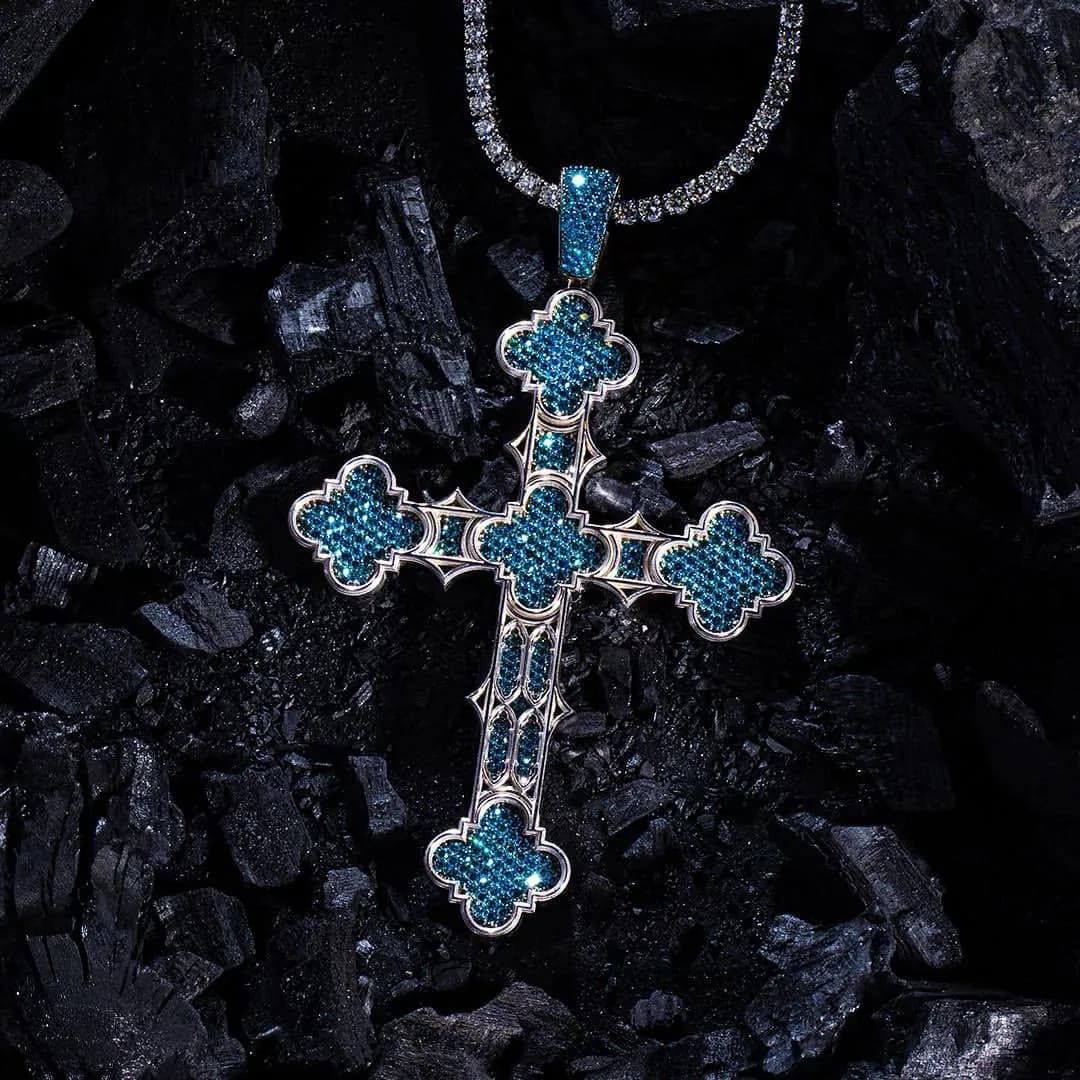
Your professional product photography is gathering digital dust.
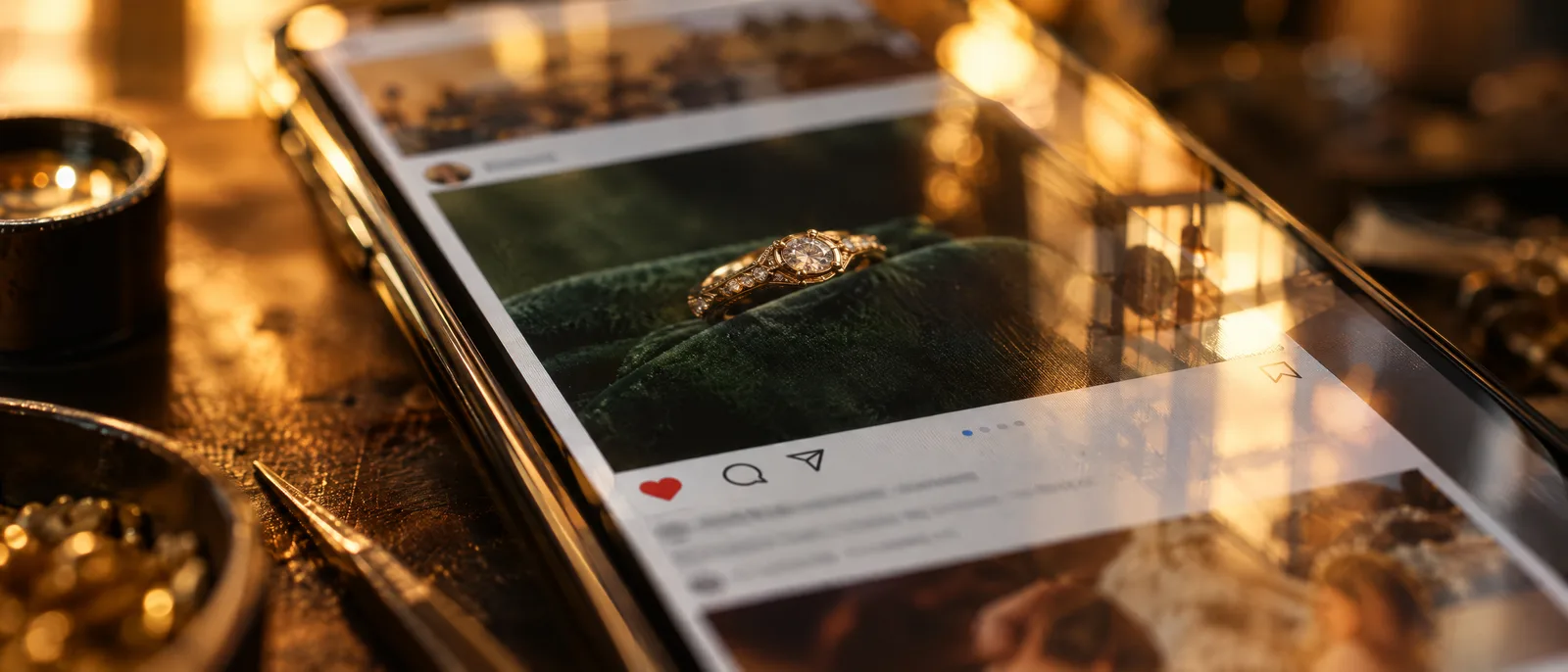
You spent thousands on a "lifestyle" shoot with a model who doesn't look like your clients, in a setting that doesn't feel like your store. You posted it to Instagram, and it got a handful of likes from your friends and fellow jewelers. Zero consultations. Zero booked commissions.
Meanwhile, the video you snapped of your apprentice filing a raw casting, unfiltered, unedited, and slightly shaky, is currently racking up views, saves, and comments from actual prospects.
Why? Because in the 2025 jewelry market, transparency is the new luxury. We've documented a first-time revenue gap between jewelers who lean into process video and those who hide behind "perfect" photography. If you aren't showing the bench, you're telling the world you're just another reseller.
Why Process Video Outperforms Product Photography
The "finished product" photo is a commodity. Every big-box retailer and dropshipper has a library of high-res images of oval solitaires on white backgrounds. They are visually indistinguishable from your high-ticket custom work to the untrained eye of a shopper in their research window.
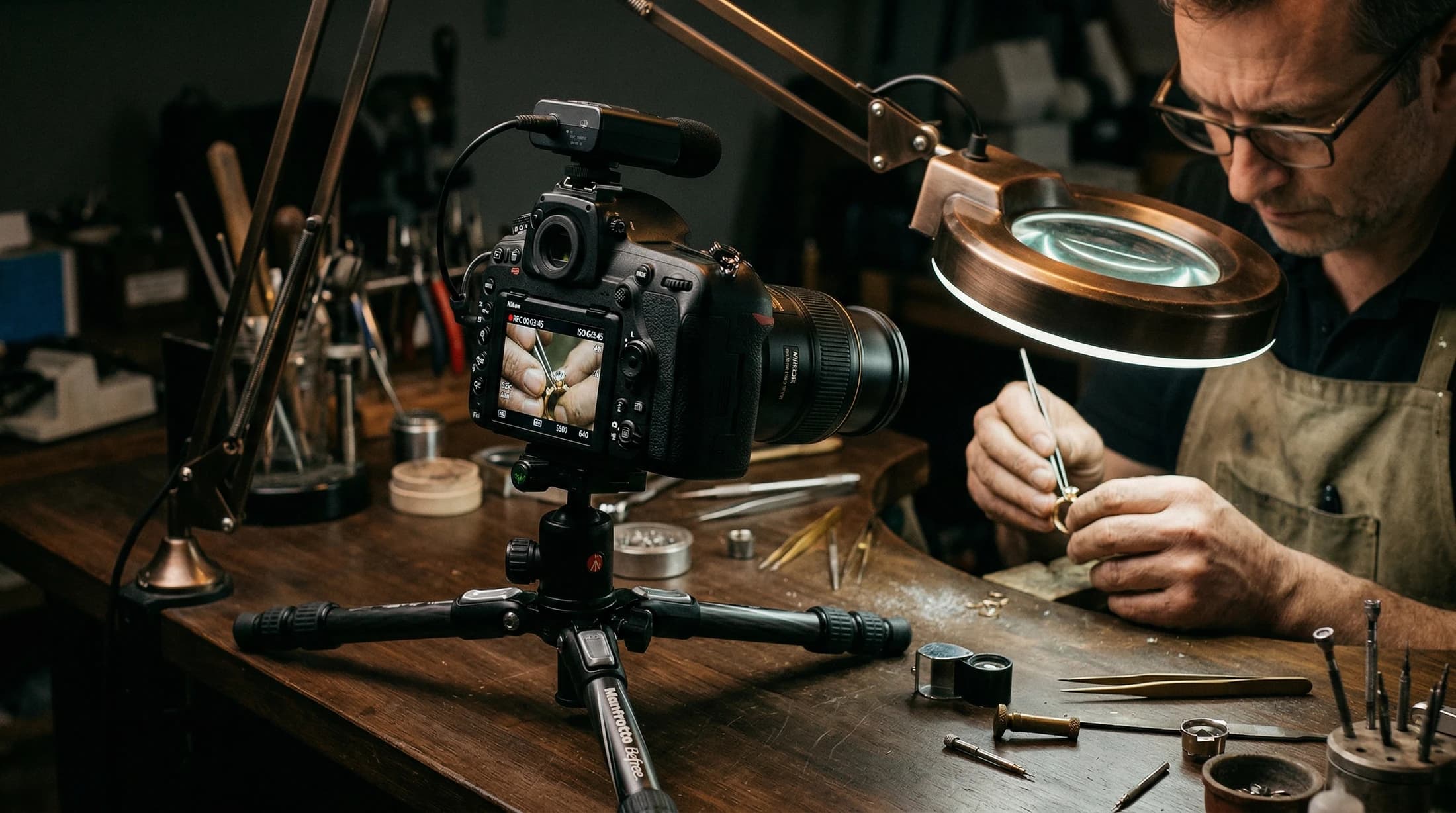
Process video, the raw, macro-focused footage of a jeweler at the bench, answers the one question every custom buyer is secretly asking: "Is this person actually making this, or are they just ordering it from a catalog?"
In a market saturated with "handmade" claims that are often anything but, showing the torch, the setting, and the grit of the bench is proof that cannot be faked. It's the difference between a "product" and an "atelier."
What Makes a Macro Video Perform?
Video fails because you try to make a movie. They want a "cinematic" experience with slow-motion pans and orchestral music. Save that for the Super Bowl. On social media, the algorithm and the buyer want the work.
As we cover in our guide to social media for luxury jewelers, the best-performing jewelry videos share three non-negotiable characteristics:
1. The Macro "Hook"
Fill the screen with the work. The viewer shouldn't see your shop; they should see the grain of the 18K gold and the internal fire of the diamond. If they can see the facets reflecting the light of your torch, they're hooked.
2. The Sound of Craft (ASMR)
Mute the trending music. The most engaging videos are the ones that capture the sounds of the studio: the rhythmic scraping of a file, the hiss of the torch, the "click" of a stone seating into a prong. This isn't just content; it's sensory proof of craftsmanship.
3. The 15-Second Transformation
Nobody watches a 10-minute documentary on your phone. You have 1.5 seconds to stop the scroll. The "transformation" format is king: show a raw casting, then a split-second cut to the polished piece. Show an empty head, then the stone being set. Visible change in under 15 seconds is the secret to high retention.
How Video Feeds the Machine (AI and SEO)
Process video isn't just for Reels and TikTok. When you embed these videos on your portfolio pages, you're creating a data-rich environment for search engines.
This is critical as Google Lens now handles nearly 20 billion visual searches a month (Google, 2024), and Google Lens now processes over 20 billion searches per month. Detailed video descriptions and transcripts contribute to a . As Google's Search Generative Experience (SGE) begins to dominate SEO for jewelry retailers, the engine looks for authoritative sources that prove expertise. A video of a master jeweler explaining why they chose a specific bezel setting provides more "authority" signals to an AI than a hundred keyword-stuffed blog posts.
The Equipment Trap: You Don't Need a Studio
Stop using "I don't have the right camera" as an excuse for being invisible.
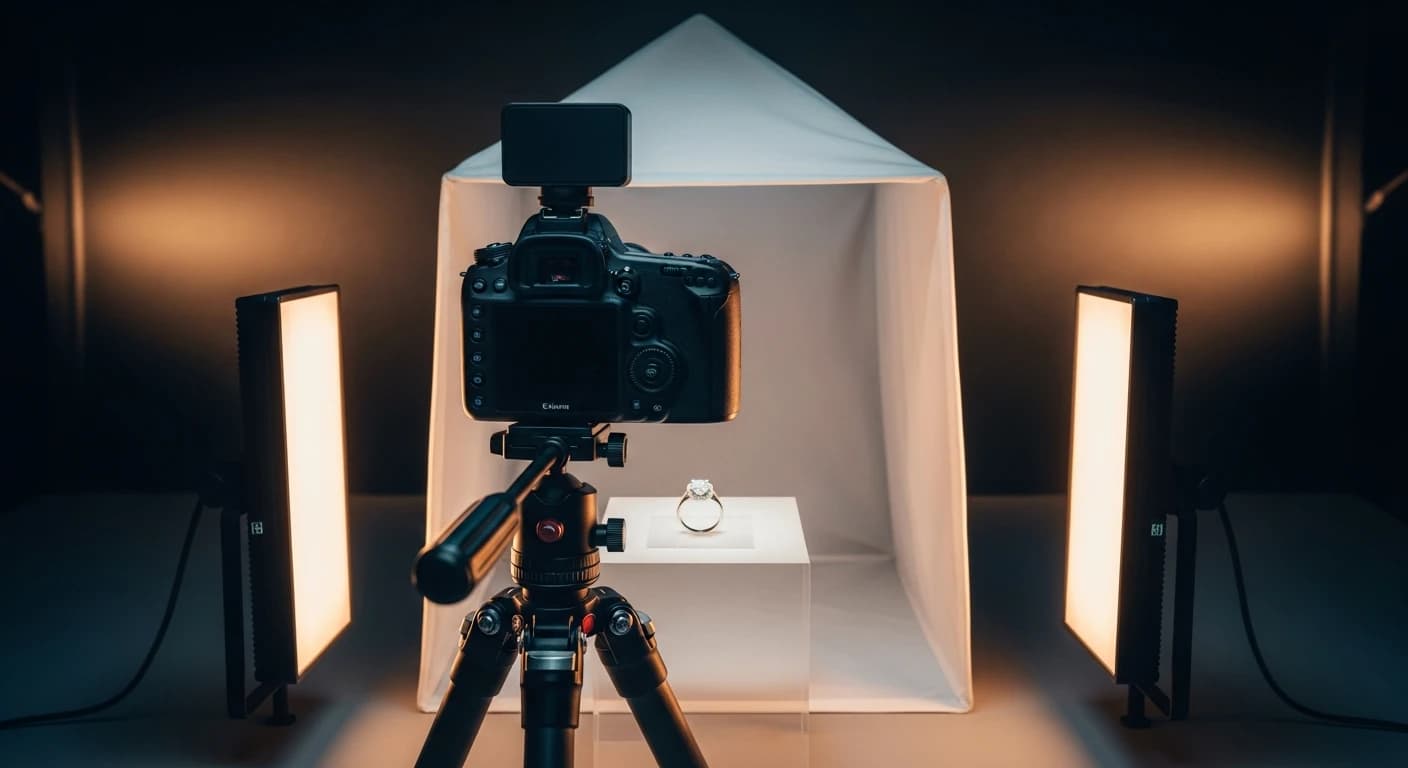
The iPhone 15 Pro (and subsequent models) has a macro mode that rivals mid-range DSLR lenses. For social media, "native-shot" content, footage that looks like it was filmed on a phone, actually performs better than polished, professional production. It feels more authentic, less like an ad, and more like a window into your world.
What you actually need:
- A smartphone with macro capability.
- A $20 phone mount for your bench.
- Natural light or a single $50 LED panel.
- 15 seconds between production steps.
The Conversion Path: From Views to Consultations
Views are vanity. Consultations are sanity. If your video doesn't have a job, it's just a hobby.
Don't ignore Pinterest, which is projected to reach 700 million active users by 2026. Pinterest shoppers skew toward high-ticket purchases more than users on other social platforms. High-quality macro video is the perfect "pin" to capture this high-intent audience.
The conversion path we build for our clients at H&CO is simple but lethal:
- The Video Hooks Attention: A macro Reel showing a stone-setting sequence.
- The Caption Builds Authority: "Why ovals need a V-prong for security. What do you prefer: V-prong or rounded?"
- The Interactive Layer: Integrate QR codes that trigger AR try-ons, a feature a growing share of luxury consumers now expect.
- The Attribution: With a proper digital marketing revenue attribution system, you can see that the client who just booked a $10,000 commission first saw your "Making of a Halo" video three weeks ago.
Your bench is a content studio. We'll help you build the system that turns craftsmanship into consultations. Let's talk.
Hagop's Notes
I've seen jewelers get paralyzed trying to make their shop look "perfect" before filming. My advice? Don't. A messy bench with files, dust, and tools is more trustworthy than a sterile showroom. People aren't buying a sterile experience; they're buying the grit and skill of the maker. Embrace the "raw" look. It's what actually converts in 2025.
Research & Sources
- Pinterest Business: 2024 Luxury Consumer Insights. Shoppers on Pinterest are 27% more likely to buy luxury products than on other social platforms.
- Statista: Pinterest User Growth Projections 2024-2026. Expected to reach 700 million active users by 2026.
- Google: *Lens product update, October 2024.* Google Lens processes nearly 20 billion visual searches per month.
- Deloitte: Digital Consumer Trends in Luxury Retail. Analysis of consumer demand for QR-triggered AR try-ons (40% preference).

About the author
Hagop Imasdounian
Hagop Imasdounian is the founder of H&CO. Raised around his family’s jewelry businesses, he brings more than 15 years of digital marketing experience to helping jewelry and watch brands improve their websites, reach buyers and connect marketing with sales.