

What Is the Compliance Problem for Authorized Dealers?
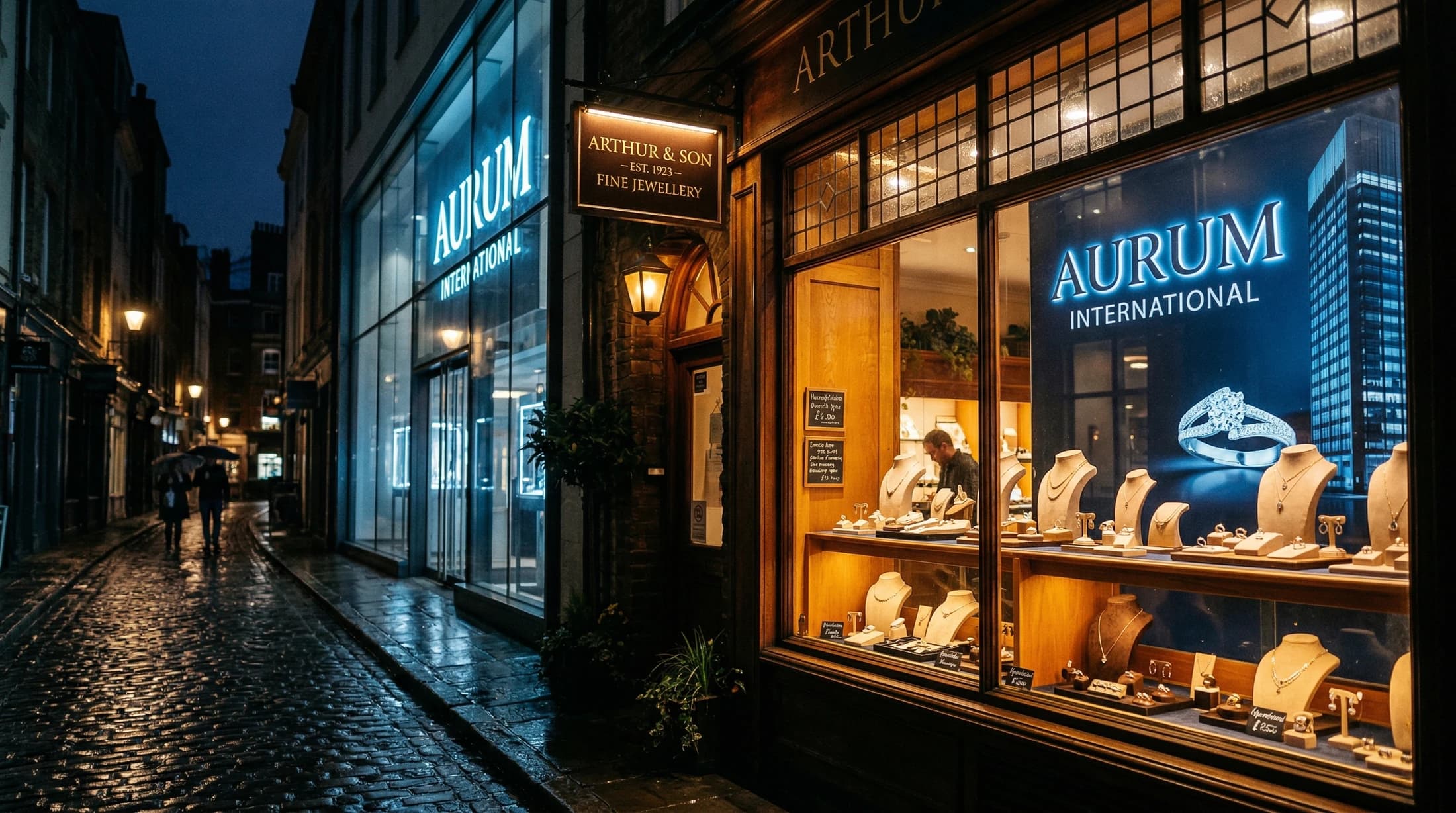
Every authorized dealer for a major luxury brand operates under marketing restrictions. The specifics vary by brand, but the pattern is the same: strict rules around pricing, imagery, language, and online sales that limit what you can say and show on your website.
Most dealers assume compliance means invisibility. It doesn't have to.
H&CO is a digital marketing agency for luxury jewelry and watch retailers. The compliance challenge is universal across brand portfolios. The brands differ in degree, but the strategic solution is the same.
The fundamental misunderstanding: many ADs believe that because the brand controls the product presentation, they can't compete digitally. They wait for corporate templates, post the same approved imagery as the dealer three towns over, and wonder why they're invisible in their own city.
While the brand controls the product, you control the local context. That's where you win.
What Do Brands Actually Restrict?
The restrictions vary by manufacturer, but the common themes across luxury watch and jewelry brands include:
- Pricing: Luxury watch brands generally prohibit online price listings. Jewelry brands often allow MSRP but restrict discounting language.
- Creative: Brands typically require their approved imagery and fonts. Some provide templates, others provide assets you must use within their guidelines.
- Language: No "sale," "discount," "clearance," or urgency-driven promotional language. The brand's voice is controlled, measured, and premium.
- E-commerce: Several major watch brands restrict or prohibit the "Add to Cart" button for their products. You can display, but not transact.
- Social media: Pre-approval for paid social campaigns featuring their products is common.
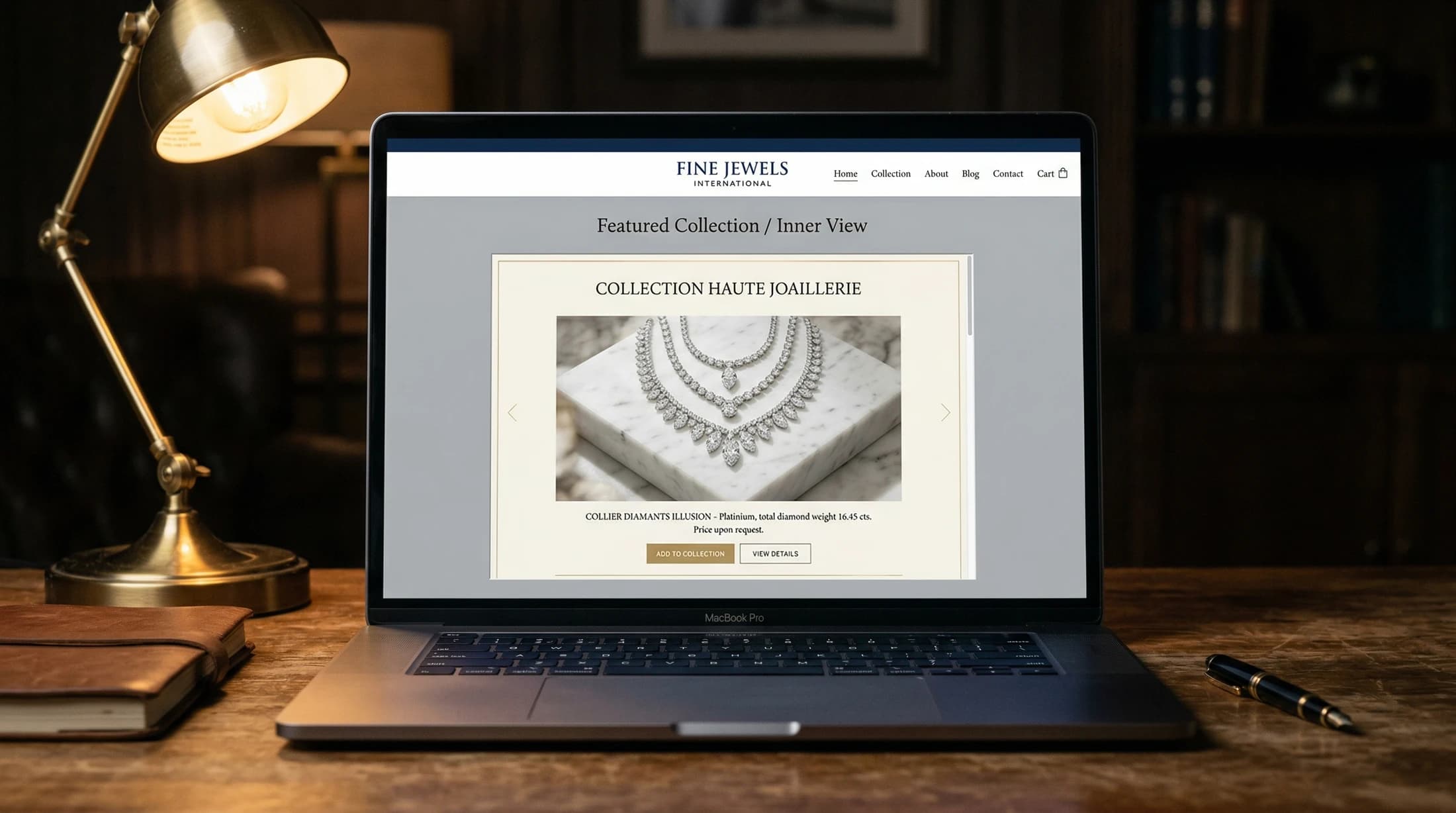
The result? Most AD websites look identical. To Google, that creates a duplicate content problem. If your site is a mirror of every other dealer running the same brand template, Google has no reason to rank you above any of them.
Where Do Authorized Dealers Have Freedom?
The good news: brand compliance ends at the edge of their product photography. They don't control your Google Business Profile, your customer reviews, your local expertise, or your store's story.
1. Google Business Profile
Your GBP is your most powerful local SEO asset, and no brand restricts it. Post weekly, not just product photos, but photos of your staff, your showroom, your storefront, your events. Mention your city and neighborhood in these posts.
The review loop matters here: when a customer mentions a brand name and your city in a 5-star review ("bought my Omega Seamaster at Smith Jewelers in Dallas, incredible experience"), Google's local algorithm treats that as a direct authority signal. The brand can't control what your customers write, and those reviews are SEO gold.
2. Brand Landing Pages You Write
Create a dedicated page for every major brand you carry. Don't just list products. The brand's corporate site already does that better than you can. Instead, write about your store's relationship with the brand. How long you've been an authorized dealer. What the in-store experience looks like. What sets your selection apart.
A page that says "We've been an authorized Breitling dealer for 22 years and carry the full Navitimer and Superocean collections in our downtown showroom" is compliant, unique, and targets "[brand] authorized dealer [city]," a term the brand's corporate site can't rank for locally.
3. Service and Expertise Content
Watch repair, maintenance, and appraisal terms are the least restricted and most overlooked opportunity for authorized dealers. "Watch service near me," "Omega service center [city]," "luxury watch appraisal," these are high-intent, low-competition terms that no brand corporate site targets.
Someone searching for watch service already owns a luxury watch. They're walking into your store. Build deep content around your certified watchmakers and service capabilities. (See our SEO Strategy for Jewelry & Watch Retailers for the technical playbook.)
What Content Strategy Works Within Compliance?
Since you can't compete on product specs (which are identical across every dealer), you compete on experience and expertise.
According to Fortune Business Insights, 81.4% of luxury watch revenue is still generated in physical stores. The buyer is shopping for a store as much as for a watch. Your content should make the case for yours.
Education Over Promotion
Write what the brands won't:
- "What to Expect When Buying Your First Luxury Watch in [City]"
- "A Guide to Watch Service and Maintenance at [Store Name]"
- "Why We Love the Reverso: The Watch That Started a Conversation in Our Showroom"
- "The History of Fine Jewelry in [Your Region]"
These topics are compliant because they celebrate the product without comparing brands head-to-head (which most dealer agreements prohibit). They demonstrate your expertise and cater to the 78% of luxury consumers who research products online before ever setting foot in a store (Google/Ipsos 'Fashion Online, 2013).
What Can You Actually Build on Your Brand Pages?
Most dealers put up the brand logo, paste the corporate description, and call it a page. That is the bare minimum and Google treats it accordingly. What the brand restricts is product pricing and transactional language. What they do not restrict is your expertise, your context, and your original content.
With 46% of all Google searches having local intent, and 76% of local mobile searches resulting in a visit within 24 hours, your brand pages must do more than exist. They must convert local interest into physical traffic (Google, 2018).
- Write your own product descriptions. The brand provides specs. You provide the context a buyer actually needs: who this piece is for, how it wears, what makes this collection different from last year, and why your staff recommends it. That is content the brand will never write and Google will reward you for.
- Add video walkthroughs. A 60-second video of your sales associate walking through a collection, explaining the differences between models, or showing how a bracelet clasp works. Original content that builds trust and keeps visitors on the page longer.
- Share your expert opinion. "Our team's pick from the new Breitling Navitimer lineup is the 41mm with the green dial. Here is why." That kind of editorial voice separates a dealer page from a corporate catalog.
- Publish styling and pairing content. "How to style a Roberto Coin necklace for a black-tie event" or "Three ways to stack David Yurman bracelets." This targets long-tail search queries the brand ignores.
- Photograph the pieces yourself. A DSLR with a macro lens in your showroom produces images unique to your store. The brand assets are the same on every dealer site. Your photos are not. Google calls this "topical authority," and it helps you rank for the long-tail searches that corporate brand sites ignore entirely.
Local Over National
The brand owns "Omega." You own "Omega dealer in Scottsdale." That's a different query with different intent, and Google's local algorithm heavily favors the local result. Build every page, every post, and every GBP update around your city, your neighborhood, and your community.
How Does Compliance Become an Advantage?
Because the rules are hard to follow, most of your competitors will do the bare minimum. They'll use the brand iframe (see our article on the Iframe Trap). They'll post once a month. They'll wait for the phone to ring.
By leaning into local SEO and relationship-based content, you're doing the work that others won't. The brands benefit when you drive foot traffic, your compliance officer isn't your enemy, they're your boundary. As long as you respect the product presentation, you're free to dominate the local market.
We've worked with ADs across multiple brand portfolios who were nervous about their compliance officers. By shifting from "selling watches online" to "selling the store experience online," they saw a 40% increase in store visits within six months, all while staying 100% compliant.
Don't let compliance be an excuse for poor performance. Your website isn't a brochure for any single brand. It's a bridge to your showroom. If you aren't showing up at the top of local search for the brands you carry, you're losing the relationships that define luxury retail.
Struggling to balance brand compliance with the need for more store traffic? We help authorized dealers dominate local search without crossing any lines. Let's audit your local presence.
Research & Sources
- Consumer Behavior: 78% of luxury consumers research online before purchasing; compliance is increasingly viewed as a trust signal in the digital journey (Google/Ipsos 'Fashion Online, 2013).
- Local Search Impact: 46% of all Google searches have local intent; 76% of local mobile searches result in a physical store visit within 24 hours (Google, 2018).
- AI Revolution: AI tool usage for local recommendations surged from 6% to 45% in a single year.
- Conversion Optimization: human-led chats for high-ticket items convert at 12.3% vs 3.1% without (H&CO client data).
- Purchase Journey: Luxury acquisitions now require a minimum of 8+ digital and physical touchpoints to close.
*This strategy is part of our Luxury Retail Marketing Playbook.*

About the author
Hagop Imasdounian
Hagop Imasdounian is the founder of H&CO. Raised around his family’s jewelry businesses, he brings more than 15 years of digital marketing experience to helping jewelry and watch brands improve their websites, reach buyers and connect marketing with sales.