
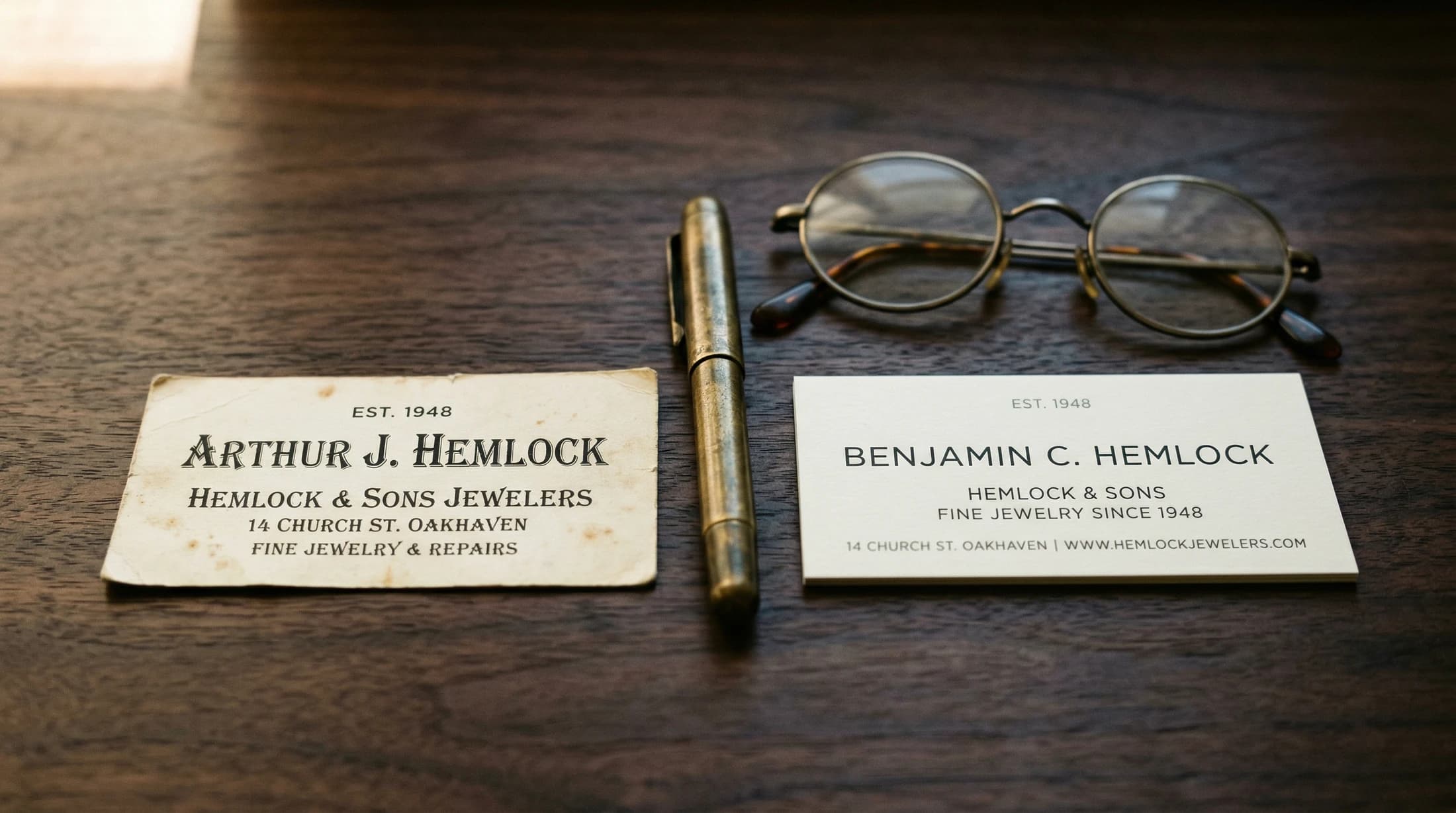
The Successor's Dilemma
Your father built the business in the 1980s on the strength of a handshake and a gold-leaf Rolodex. He knew every anniversary in the city. He didn't need a website because he was the town's jeweler. But now you've inherited the keys, and you're looking at a world where your competitors are running hyper-targeted Google Ads and you're still relying on a Yellow Pages listing that hasn't been updated in a decade.
The global luxury market is projected at €1.44 trillion in 2025, but the real opportunity for legacy brands lies in the shift from selling "goods" to providing "luxury experiences." This experiential sector is growing at 3% annually, and a multi-generational family business is uniquely positioned to own that experience.
The "Legacy Brand Pivot" is the process of modernizing your technology, marketing, and acquisition strategies while preserving the trust and reputation that took 40 years to build. At H&CO, we specialize in this transition. We know that for a legacy brand, the goal isn't just "more traffic," it's "the right traffic." Get it wrong and you dilute the brand your father spent decades building. Get it right and you multiply its reach without losing what made it special.
The Cold Reality of the Research Window
The biggest mistake a legacy jeweler makes is assuming that "word of mouth" is enough in 2026. As we lay out in the Luxury Retail Marketing Playbook, even for a referral, the average luxury purchase involves a 20 to 22-day research window.
What happens during those weeks? The customer Googles you. They look for your authorized dealer status. They check your Google Business Profile for recent reviews. If they find a website that looks like it was built in 2012, the trust your father built evaporates in a second. They don't think "heritage"; they think "extinct." That referral your best client sent you? Gone, because your digital presence told them a different story than your reputation did.
The 81.4% Advantage
The good news? You already have what the big box stores and online-only retailers would kill for: a physical presence. According to Fortune Business Insights, 81.4% of luxury sales still happen offline. Your legacy brand is built for this. Your modernization isn't about becoming an e-commerce giant; it's about using digital tools to drive that 81.4% of buyers through your front door.
Phase 1: The Digital Foundation
1. The Website Rebuild (Not a Museum)
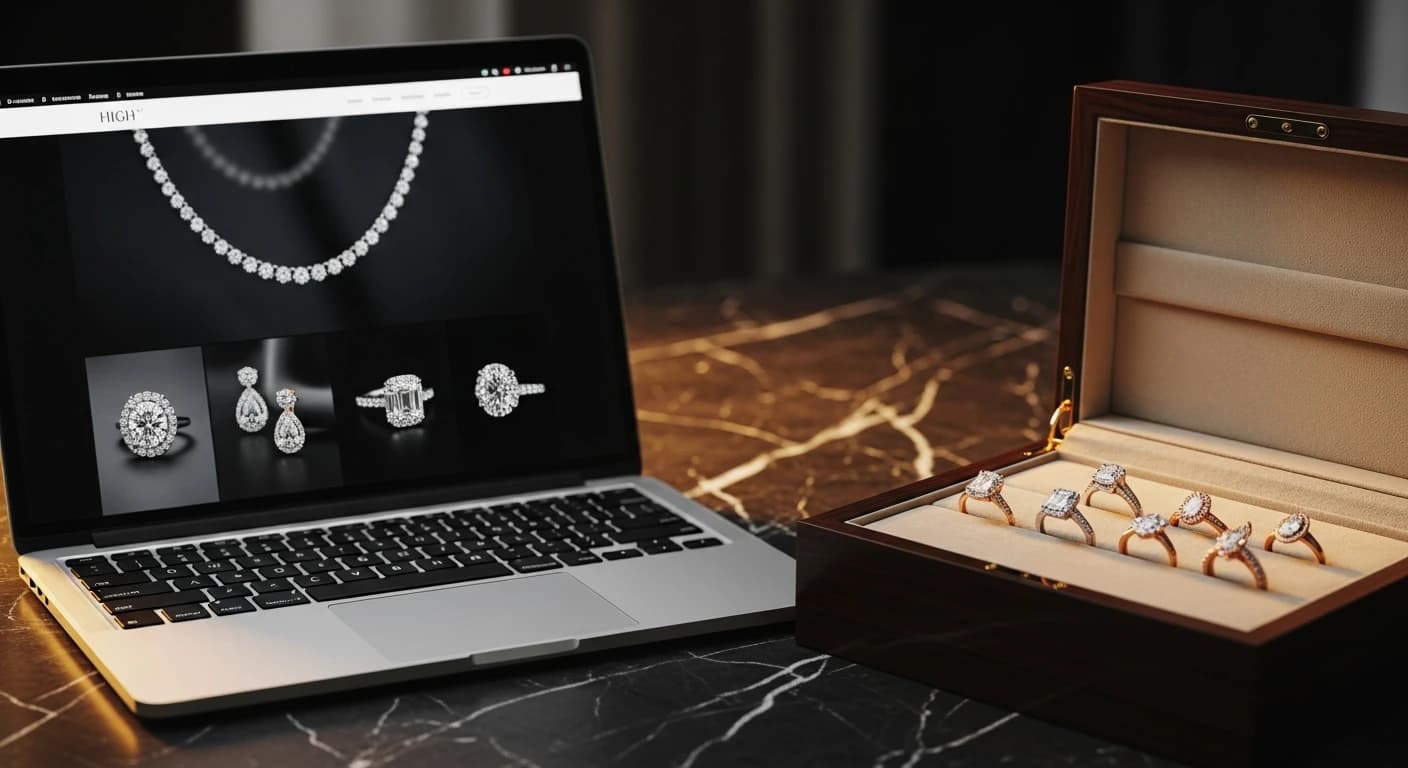
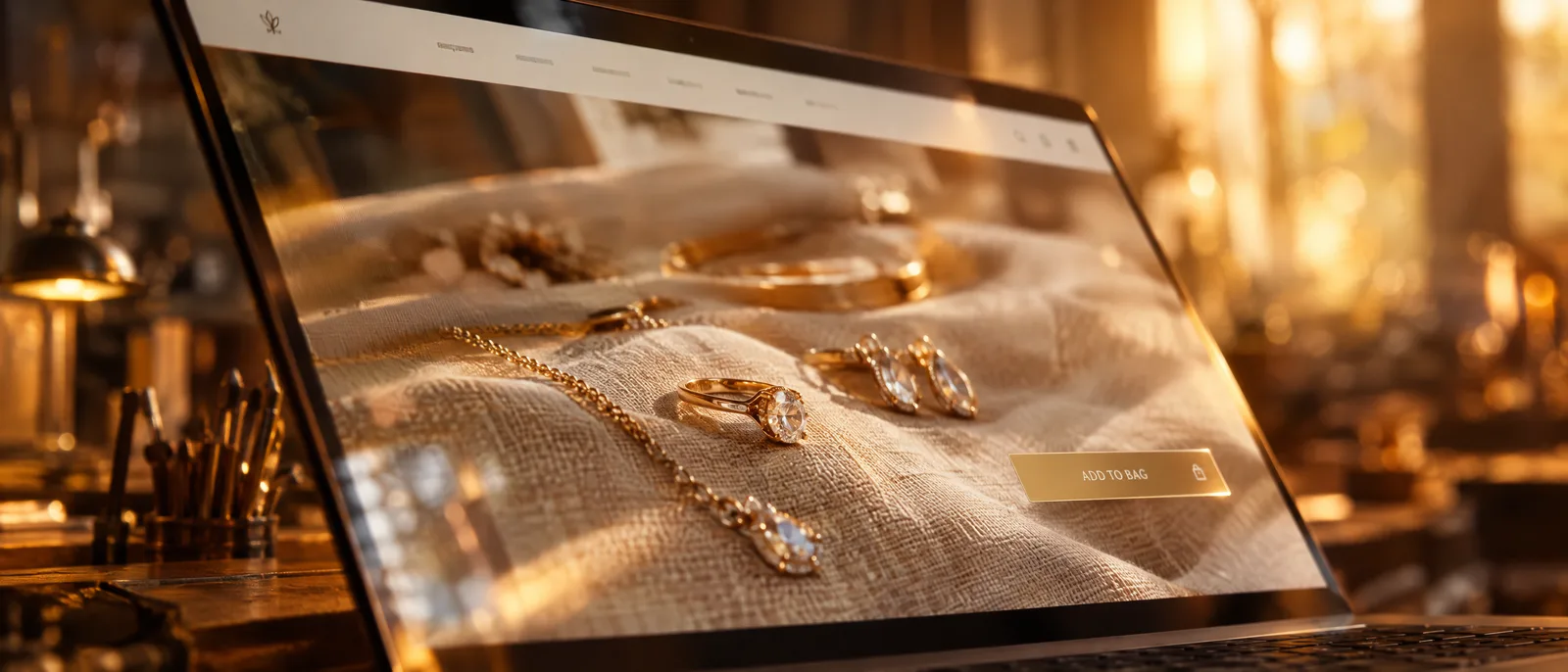
Your new site needs to feel like a modern luxury showroom: clean lines, fast loading times, and high-definition macro video of your actual inventory. We've seen a 55% lift in visual search visibility when jewelers replace low-quality stock photos with professional, metadata-optimized photography of their unique pieces.
2. The SEO Heritage Play
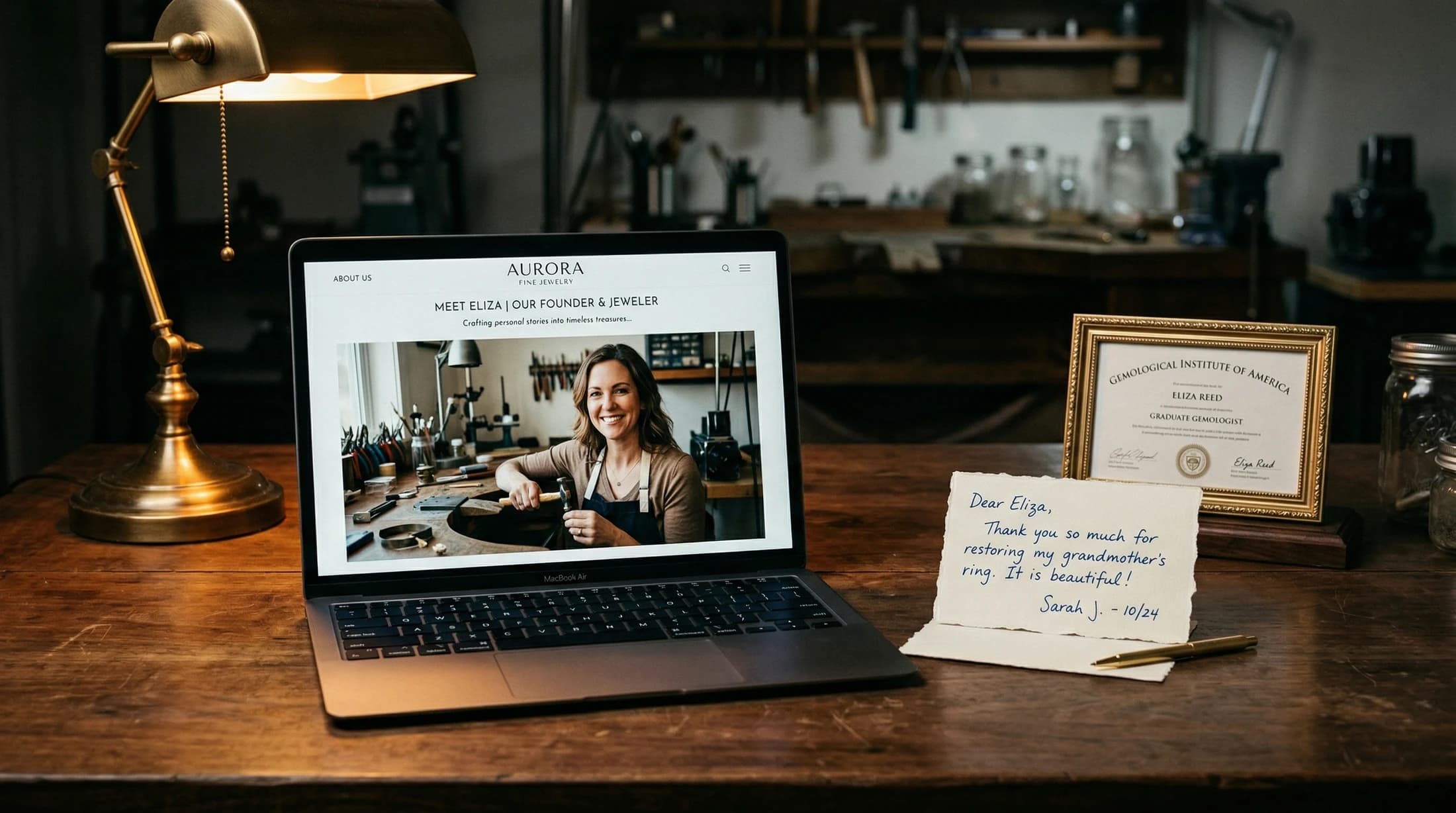
Google's E-E-A-T (Experience, Expertise, Authoritativeness, and Trustworthiness) framework is your best friend. An "about us" page that details 40 years of community service and diamond expertise is an SEO weapon. While your competitors are trying to "fake" authority, you just have to document yours. This is the core of a strong SEO strategy for jewelry and watch retailers, and legacy brands have a head start that no amount of ad spend can replicate.
3. The CRM Shift
Move the Rolodex to a CRM. Every anniversary, every repair history, every "just looking" lead needs to be in a database. This allows for automated, data-driven "relationship marketing" that mimics your father's personal touch at a scale he could never have achieved. The revenue impact is immediate: stores that digitize their client records see a measurable bump in repeat purchase rates within the first six months.
Phase 2: AI Citability and the Next Generation
The next generation of buyers (the 25-40 year olds buying engagement rings and their first luxury watches) aren't just using Google. They are using ChatGPT, Claude, and Perplexity to ask "Who is the most trustworthy jeweler in [City]?" (See our guide to AI search optimization for jewelry and watch retailers.)
AI search engines value longevity and consensus. By structuring your site's data with proper schema markup and generating authentic reviews that mention "custom manufacturing" and "expert repair," you can achieve a significant lift in AI citations. This ensures that when an AI recommends a jeweler, your 40-year-old business is the first one it cites. A store that opened last year can't buy that kind of authority. You already have it; you just need to make it machine-readable.
How to Bring Legacy Clients Along
The biggest fear successors have is: "My old clients will think we've changed."
The truth? Your old clients are also on Instagram. They also use Google Maps. They will appreciate that you've made it easier for them to book an appointment or view your new inventory.
- Personal Outreach: Send a high-quality physical mailer announcing the "New Digital Showroom" from both the founder and the successor.
- Appointment First: Use digital tools to offer "VIP After-Hours Appointments." This feels exclusive, not "techy."
- Storytelling: Feature the founder in your social media content. Use video to tell the stories behind the most famous pieces the store has ever sold. This bridges the gap between the 1980s and the 2020s.
Why Legacy Is an SEO Superpower
A new jewelry store starting today faces an uphill battle to build the trust needed to capture high-value leads. You don't have that problem. Your father solved it for you. Your job is to ensure that trust is reflected in your digital footprint. By focusing on the VIC segment (45% of total revenue), you can ensure your legacy continues to thrive in a top-heavy market (Bain & Company, 2023).
When you combine 40 years of local authority with a modern paid ads strategy, you don't just compete; you dominate. You become the "big fish" in your city's luxury pond. And your cost per acquisition will be a fraction of what a new competitor pays, because your brand already carries the trust that they have to manufacture from scratch.
"Your reputation is your greatest asset. Don't let a 2012 website destroy what took 40 years to build. We'll help you bring your family's legacy into the digital age with the respect it deserves. Let's talk."
Research & Sources
- Bain & Company: *Global Luxury Goods Market Study 2024.* Insights on the 1.44 trillion euro market and VICs driving 45% of total revenue.
- Fortune Business Insights: *Luxury Goods Market Analysis.* Statistics on the 81.4% in-store purchase rate for high-ticket items.
- NielsenIQ: *The Sustainability Imperative.* Data on 78% consumer preference for ethical sourcing.
About the author
Hagop Imasdounian
Hagop Imasdounian is the founder of H&CO. Raised around his family’s jewelry businesses, he brings more than 15 years of digital marketing experience to helping jewelry and watch brands improve their websites, reach buyers and connect marketing with sales.