

Part of our AI search guide and the 2026 Luxury Retail Marketing Playbook.
Image SEO Moved Past Alt-Text
For years, image SEO meant dropping a keyword into the alt-text and moving on. That era is over. AI models now read the picture itself.
Google's Gemini and OpenAI's GPT-4o break a photo into visual tokens and read the pixels the way they read a sentence. They don't just register "a ring." They register the texture of the surface it rests on, the quality of the light, and the kind of life implied by the background. Google Lens alone handles around 20 billion visual searches a month, so this is where a growing share of product discovery now happens.
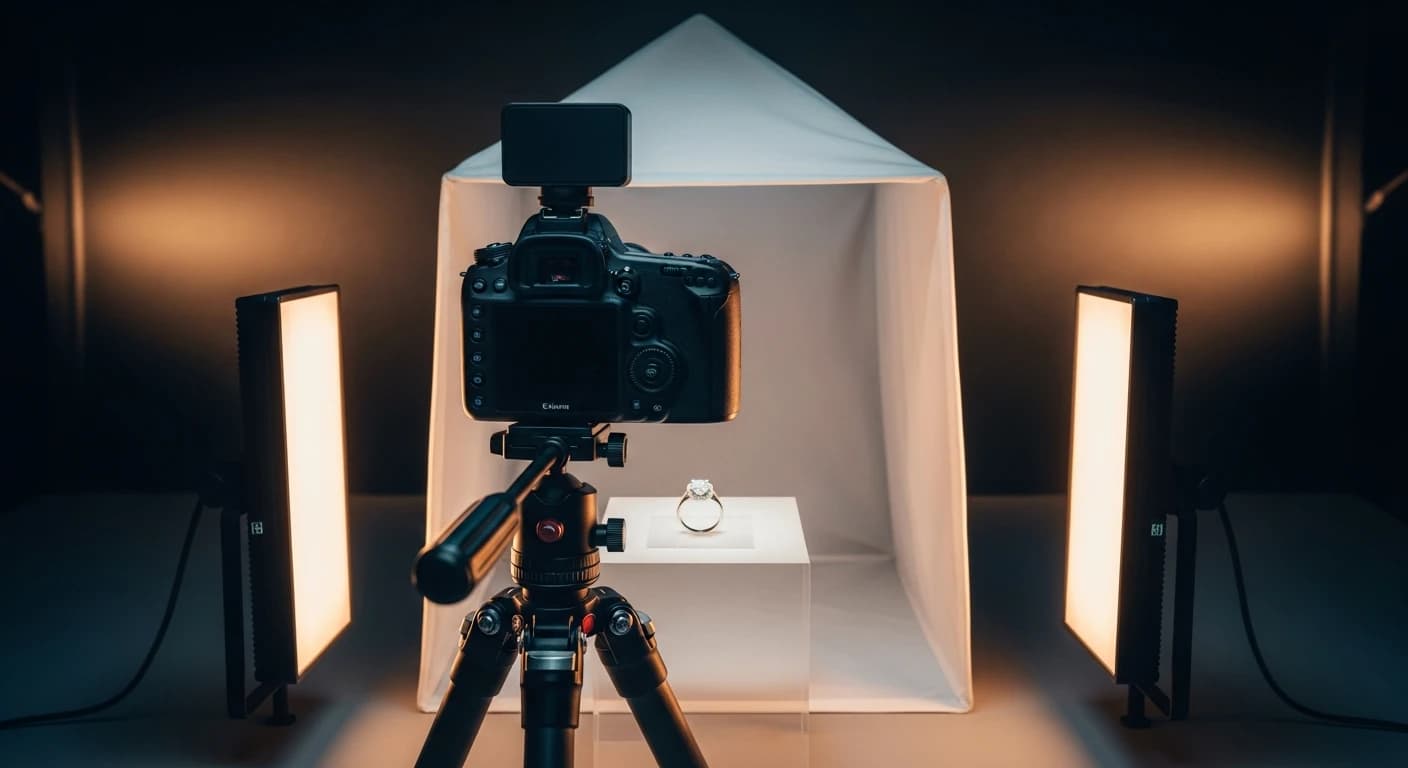
Here is the takeaway for jewelers: a white-background product shot tells the AI almost nothing about who the piece is for. To give it context, photograph every signature piece in three distinct environments.
The Rule of Three Environments
AI models are trained on the real world. Feed them only sterile e-commerce cutouts and you leave them guessing about your customer. Three scenes fix that.
1. The Everyday Shot
- The setup: Natural light and daily-life props. A coffee cup, a linen napkin, a watch resting on a desk.
- What the AI reads: This piece belongs in ordinary, well-lived moments. Approachable luxury.
- Why it matters: It makes your piece a candidate for searches like "everyday diamond studs" or "daily-wear watch," where a catalog cutout never surfaces.
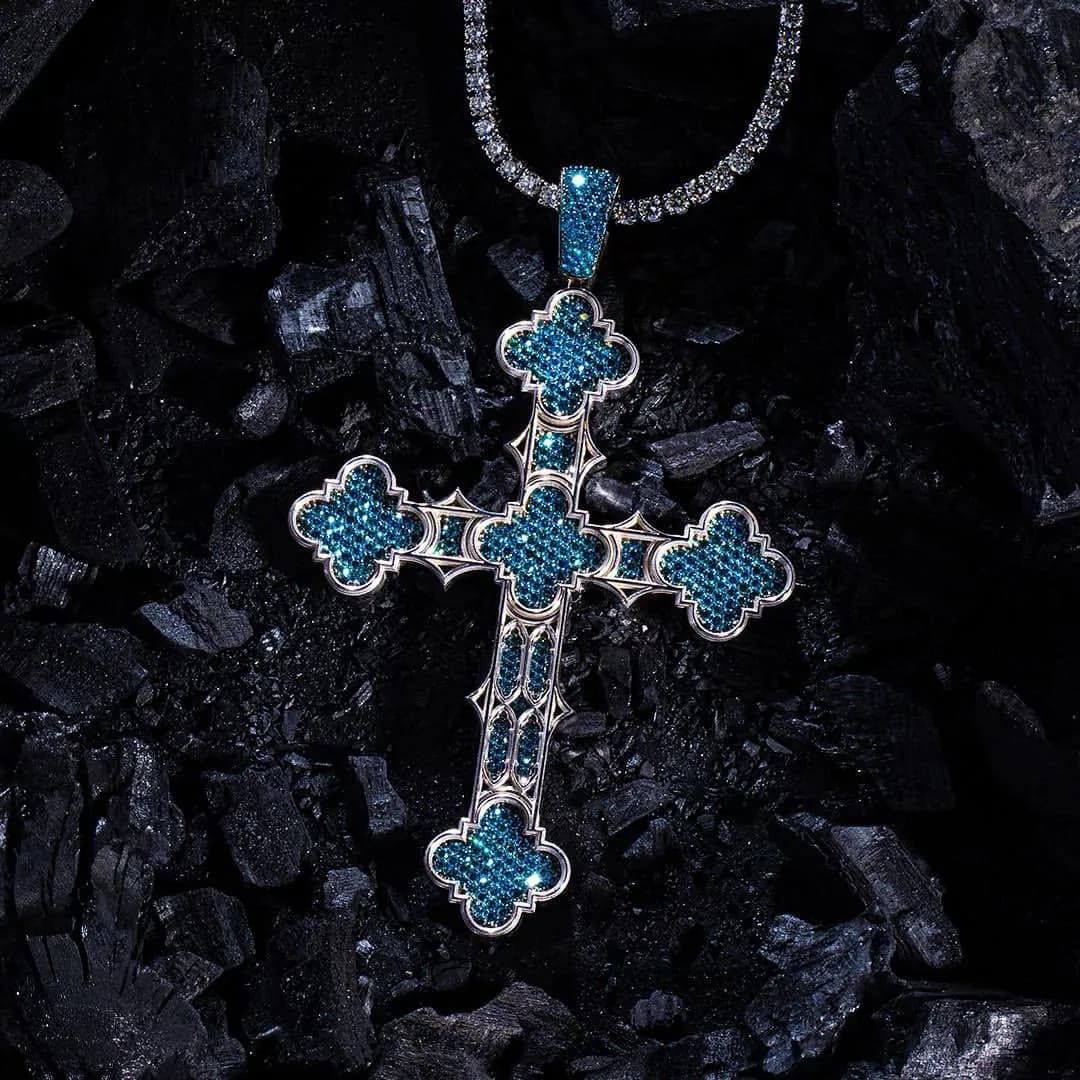
2. The Occasion Shot
- The setup: Warm light, deep shadows, refined props. Velvet, dark wood, a cocktail.
- What the AI reads: Status, occasion, investment-grade.
- Why it matters: It maps the piece to buyers researching something significant, the high-intent end of your market.
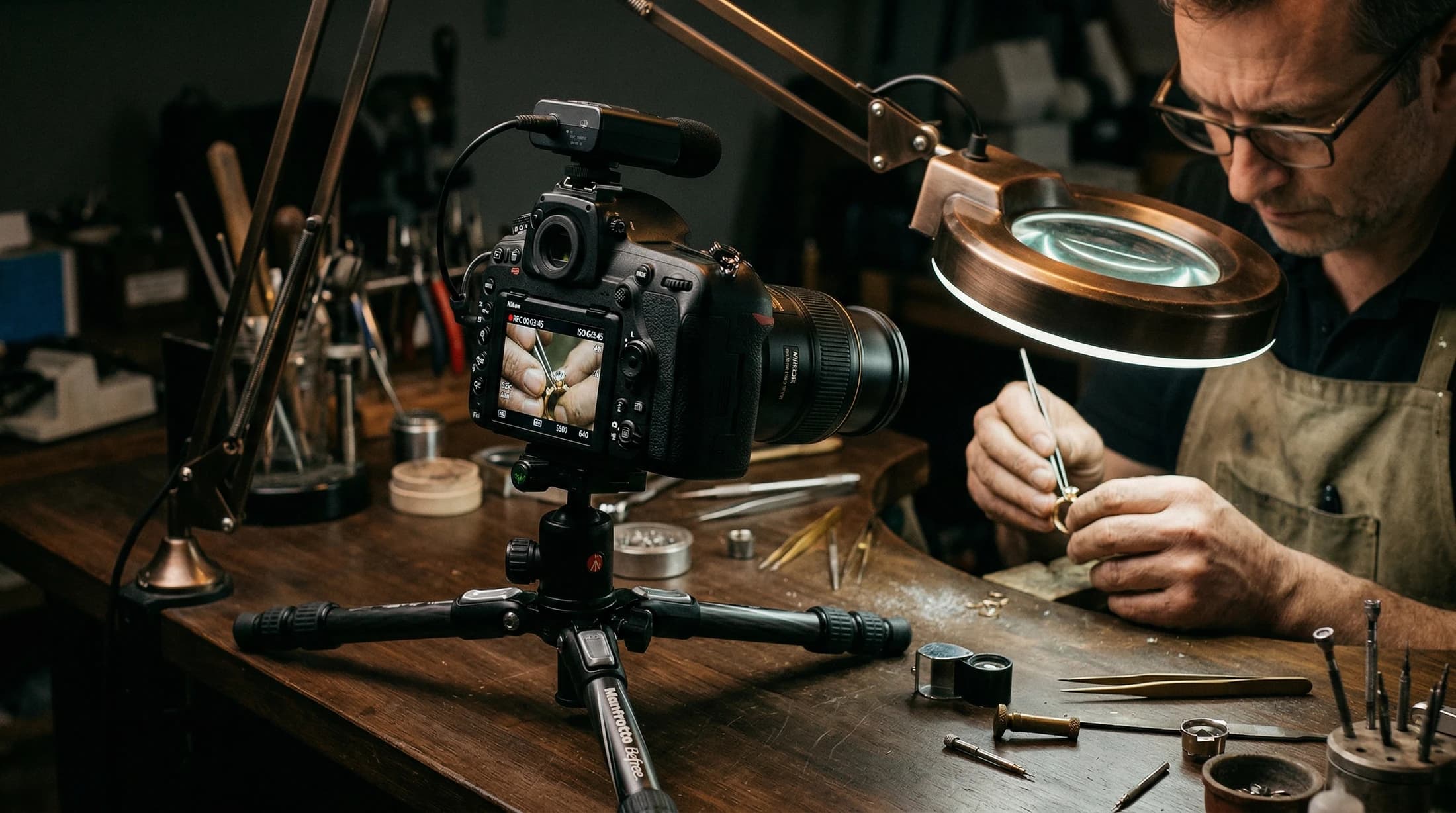
3. The Bench Shot
- The setup: The piece on the jeweler's bench, next to a CAD sketch or setting tools.
- What the AI reads: Proof that you make this, you don't just resell it.
- Why it matters: This is the E-E-A-T signal. It tells AI models you are the maker, which is what they look for before citing a local or custom jeweler.
Image Quality Is Now a Ranking Input
Because models read pixels, the file itself matters.
- Don't over-process. Aggressive AI upscaling and heavy compression add noise that muddies the read. Clean, sharp, and well-lit beats over-cooked every time.
- Label the scene with schema. ImageObject markup helps the AI understand which shot is the lifestyle frame and which is the process frame, so the context you built actually gets attributed to your piece.
What This Means for a Custom Jeweler
A buyer weighing a five-figure custom commission spends weeks researching before they ever walk in. Three environments let them picture the ring in a life they recognize, which lowers the anxiety of a major decision and keeps them on the page longer. In high-ticket retail, time on page is one of the better early signals that a store visit is coming.
Hagop's Take
Google Lens is reading roughly 20 billion images a month. If your site still runs on the 2010 white-background standard, you are invisible to the most-used camera in the world. Feed the machine context, or get skipped.
Is your photography giving the AI nothing to work with? Let's fix that.

About the author
Hagop Imasdounian
Hagop Imasdounian is the founder of H&CO. Raised around his family’s jewelry businesses, he brings more than 15 years of digital marketing experience to helping jewelry and watch brands improve their websites, reach buyers and connect marketing with sales.